
Every so often you have the opportunity to enjoy a deep conversation with someone who has worked in industry, has set up multiple businesses, has run his own accountancy practice and, at the same time, is doing everything he can to influence the success of the profession. I was privileged to have that discussion with Jonathan Gaunt from FD Works. He set up Xavier, which was sold to Dext and became Dext Precision, and he then set up Socket. In this conversation with Jonathan, we struggled to get to the numbers part of Humanise the Numbers and talked quite a bit about some very specific small things that have big results when it comes to enabling you to build a culture, a working environment, that you can be proud of, enjoy, and which delivers real financial success as well. Scroll down this episode page for Jonathan’s contact information and for the additional, downloadable resources mentioned in the podcast. |
The Solution:
You get asked the question: What would you like business to look like? For me, I'll make it as big as I can if I can work with brilliant people, but if I can't find brilliant people, I'll stay the size I am.
But if I can create an environment that people want to be part of, if I can create a safe place where brilliant people can excel because they're working somewhere shit at the moment, I would literally take risks on people, and I would create roles, because I think sometimes if you've got talent, you can find the work.
-
SHOW NOTES
-
TRANSCRIPT
-
CHAPTER MARKERS
SHOW NOTES

Connect with Jonathan
- LinkedIn: Jonathan Gaunt
- Website: https://www.fd-works.co.uk/
- Website: https://www.usesocket.com/




Paul Shrimpling: 0:05
Welcome to the Humanize the Numbers podcast series. Leaders, managers, and owners of ambitious accounting firms sharing insights, successes, and issues that will challenge you and connect you and your firm to the ways and means of transforming your firm's results.
Jonathan Gaunt: 0:21
You get asked the question of what would you like business to look like? For me, I'll make it as big as I can if I can work with brilliant people. But if I can't find brilliant people, I'll stay the size I am. But if I can create an environment that people want to be part of, if I can create a almost like a safe place that brilliant people can excel because they're working somewhere shit at the moment, I would literally take risks on people and I would create roles. Um, because I think sometimes it's that bit of if you've got talent, you can find the work.
Paul Shrimpling: 1:01
How do you in your firm create a working environment culture that you can be proud of and one that you can really enjoy, but also one that delivers the financial results you want for your firm? Well, on this podcast discussion with Jonathan Gaunt, you'll hear about Jonathan's approach to making FD works in the currency firm successful. It also helped him make Xavier, which was sold to Dex Precision or became Dex Precision successful, and now is applying it to Socket. Let's go to that podcast discussion with Jonathan now.
Jonathan Gaunt: 1:34
Hey Paul. Let me introduce myself. My name is Jonathan Gaunt. I'm the founder of FD Works and also Socket. Um background is I'm a charter management accountant. I'd spent 50 15 years in industry and then decided that that was incredibly boring. And at the back of my mind, I'd always had this thing about small businesses are like the lifeblood. And so it was almost that kind of bit of I wanted to be an entrepreneur, I didn't know what to do, and then suddenly I realized that I could take my big business accounting skills and apply them to smaller businesses, exactly the same. But in banking, we were talking about millions and billions, and for small businesses about pounds and pence. Um big drive for me is like how do I leave the industry in a better place than I found it? Because I think accountants and bookkeepers can be superheroes. Um, and if I wasn't working, I would probably be working because I love it. But if I'm not doing that, I will be spending time with my family and um ride my bike. Um big part of my life is my son. Um he's uh a swimmer, he lives in Canada, and uh yeah, I will always try and spend as much time as I can with him. Um, and that's probably the why um as to why do I do everything.
Paul Shrimpling: 3:05
Yeah, brilliant, brilliant. So your son's a swimmer, so there's swimmers and the swimmers, isn't there, Jonathan? So we're a swimming family. So I've my all all my four were uh county champions at breaststroke. Um Maddie got to uh nationals but never quite broke in. Uh so we know what that's like, and just wondering what what sorts what sort of level is your son swimming at?
Jonathan Gaunt: 3:25
So he's uh a national level swimmer, so he's been to the nationals, he got second um at 100 metres um freestyle, and he now is based in um Vancouver and he's a collegiate athlete swimming, so yeah, swimming and doing computer science. So it's it's mega it's it's it's a big big part, and and I think we can all we can all take a lot from that of almost like the repetition of swimming up and down. So he does 24 hours a week of of swimming, and it's that repetition of up, down, up, down. Um, and it's probably given me a bit more drive of right, okay. Sometimes you've got to do that monotony, yeah.
Paul Shrimpling: 4:10
And do the drills, run the drills, yeah, run the drills. Yeah, and so I've now got an insight into about 10 years or more of your life. Very early starts, taxi drive into the pool at you know 6, 6:30 or earlier. Uh garders all over the country. Um, so it would probably talk forever on the different pools and the merits of okay, cool, cool. All right, um, so Jonathan, if you've listened to the podcast before, you know the next question or the first question is around that, and to a degree you've already hinted at it. To you, given your FD experience, big business, setting up FD works, and I know you've not mentioned um Xavier in there as as as well, which I was a huge fan of, and then Dex Precision that it became given all this experience, uh what's your interpretation of that phrase humanize the numbers?
Jonathan Gaunt: 5:01
I think I think for me it's at the root of everything is people, and and so so much of this is about us adapting our styles to um to the people around us, um, pulling out their strengths, um, giving them encouragement and and pushing them. And and I guess so much of that goes back to my early career of um being in an environment where I was constantly pushed outside my adventure zone, and I just want to kind of give back as much as I've got, um and if you do the right thing, then good things happen.
Paul Shrimpling: 5:40
Okay, if you do the right thing, good things happen. Uh so I've got to pick up push you outside your adventure zone.
Jonathan Gaunt: 5:47
Yeah. Go on, so so there's there's the you've got your comfort zone and then your adventure zone sits just outside of that. So it's almost that bit of if someone says to you you're going on an adventure, there there's a sense of excitement there. And so um I guess learning, learning is a big part of what I do. So I'm surrounded by books, I love reading, I love rock watching, I love kind of consuming and I love listening. And so for me, that bit of if I if I talk about it in venture rather than than kind of fear, suddenly it it gives you different connotations.
Paul Shrimpling: 6:30
Alright, so you you're suggesting then that the and I agree with this that the the words are important. So if outside your comfort zone it's scary as opposed to outside your comfort zone, it's adventurous, it's exciting, there's something uh exhilarating maybe to be had. It uh it changes the way your uh your brain's functioning, isn't it?
Jonathan Gaunt: 6:51
Absolutely, absolutely, and and I think it's sometimes it's the when you talk about humanizing um kind of the numbers, for me, this is this is the same with the use of terminology when we have conversations with with our clients, it's almost that bit of if we start talking about debits and credits, what they're gonna do, they're gonna kind of glaze over. But if we can start to almost mirror their language, if we can ask the questions and if we can listen more, then I think that's the bit where you you start to really understand people, and if you can understand people, then that's where you can then start to make a difference, right?
Paul Shrimpling: 7:33
So there's a whole uh and you've hinted at some of them there set of skills attached to deeper understanding. So if if I hearing you're right, what you're saying is uh if we are better at understanding what whether it be a colleague or a prospective customer or an existing client, uh and just to sort of leap forward a little bit in this is if we're going to establish a either maintain or establish a deeper level of trust, that's gonna emanate from a deeper understanding of their circumstances, their challenges, their goals and opportunities, and therefore we need to develop a set of skills irrespective of our natural style. I'm just picking up on you, but on you said adapting style. So whatever your natural style is, do you think, and this is a very specific close-end question, no matter what your natural style is, can you bolt on skills that don't necessarily suit that style, Jonathan?
Jonathan Gaunt: 8:34
I think you have to. So so so you have to, right, okay. So so I'm a natural introvert, and so um given the choice, I wouldn't I wouldn't interact with um kind of people. I could be quite happily sat in my room. But very, very quickly I realised that moving from industry into effectively kind of practice or or being a business owner, suddenly the bit that I was good at was at the very very end. And so I had to develop all of these kind of skills beforehand of well, actually, how do I do the sales and marketing bit, how do I do the networking? And for me that was really outside of my comfort zone, but it's the it's the bit of well, if you don't do it, how are you gonna progress? And so that's the bit where it's like personally where I've adapted, and then there's also scenarios, so I like um models, I like things like the disc profiling, and it's it's that bit of when you can start to see different people. Well, what do you do? If they're uh if if they're opposite to you, you either have conflict or else you move towards them, and I think for me it's that bit of of being a little bit more kind of um mature. You perhaps look at some of these things and it's almost like, well, I'll meet you where you are, and it's that bit of I may feel uncomfortable, but I'll feel comfortable feeling uncomfortable.
Paul Shrimpling: 11:09
I'll feel comfortable feeling uncomfortable. So that requires, doesn't it, therefore uh growth mindset, Jonathan, before we get anywhere. Uh yeah. So you I'm guessing everyone, anyone listening to this, you, me, have all bumped into people, experience working with people who aren't in the growth mindset space, who are open to the fact that they need to adapt their style and build a skill that doesn't necessarily fit with who they naturally are. Taking the disc profile, we'll unpack that a little bit more in a minute. What do you what if what have you seen that works when you meet someone who's got a fixed mindset rather than a growth mindset to then help them become and achieve their full potential?
Jonathan Gaunt: 11:57
Yeah, so so I've started I've started kind of like read reading a lot of stuff about kind of like stoics, etc. And and for me it's that bit of the controllable and uncontrollable, and there's there's almost this bit of well, why waste your time on something you can't control? But there's a section in the middle which is around kind of influence, and I can't control you, Paul, but I may try and influence you by doing the right things. Um, I've got a good friend who's uh who's a cyclist, and uh in in cycling, when you ride together as a at the front, you're almost trying to kind of ride together, and you don't ride in front of someone because if you ride in front of someone, then the person alongside you will speed up and it creates this kind of like chaos. So the the idea is that you ride uh in harmony with each other. And Matt always said this thing about um one, two, fuck you. So so so the idea of it, he would turn around and he'd say, Stop half-wheeling me, and so it'd be hey Paul, stop half-wheeling me. So that would be one. The two would be I said stop half-wheeling me, and then the third of would would then be well, I'll make you suffer. Like so, so for me, that's I've kind of taken that and I use it an awful lot in terms of well, I can't control people, but I would definitely try and influence them, and that for me then is where you go through this bit of one, two fuck you, yeah, yeah, and then there might be a bit where you need to draw a line against it and go, Well, actually, I can't do anything, so why am I wasting my energy there? So, like I've got I've got things like that that I'll constantly kind of reference back to.
Paul Shrimpling: 13:55
I love that, I love that. So I've I've written that you know, ride in harmony, I love that line, and then uh the visual image for me is because I cycle a little bit, is uh you know, get alongside, properly alongside, not slightly, but properly alongside, and then um, you know, you you're in the same space, you've to use your language, you've met them where they are. So that connects those two bits. It's a bit a little bit uh tell me if this resonates. It's like when the kids were younger and you go to a restaurant when you could afford it, because you've got four kids, it didn't happen there very often. Um go to a restaurant, and some waiters just they do their thing, uh, waiters and waitresses do their thing, and then every now and then you come across a waiter who actually asks the child, gets down, kneels down, crouches down, and asks the child what they want. They're talking to them because and they get right alongside them, and that completely changes the dynamic for the child, and it changes the dynamic for us as parents and elevates the whole experience because they get alongside it. I think that's what you you you're suggesting is um is happening in that bike analogy. Have I understood that correctly?
Jonathan Gaunt: 15:00
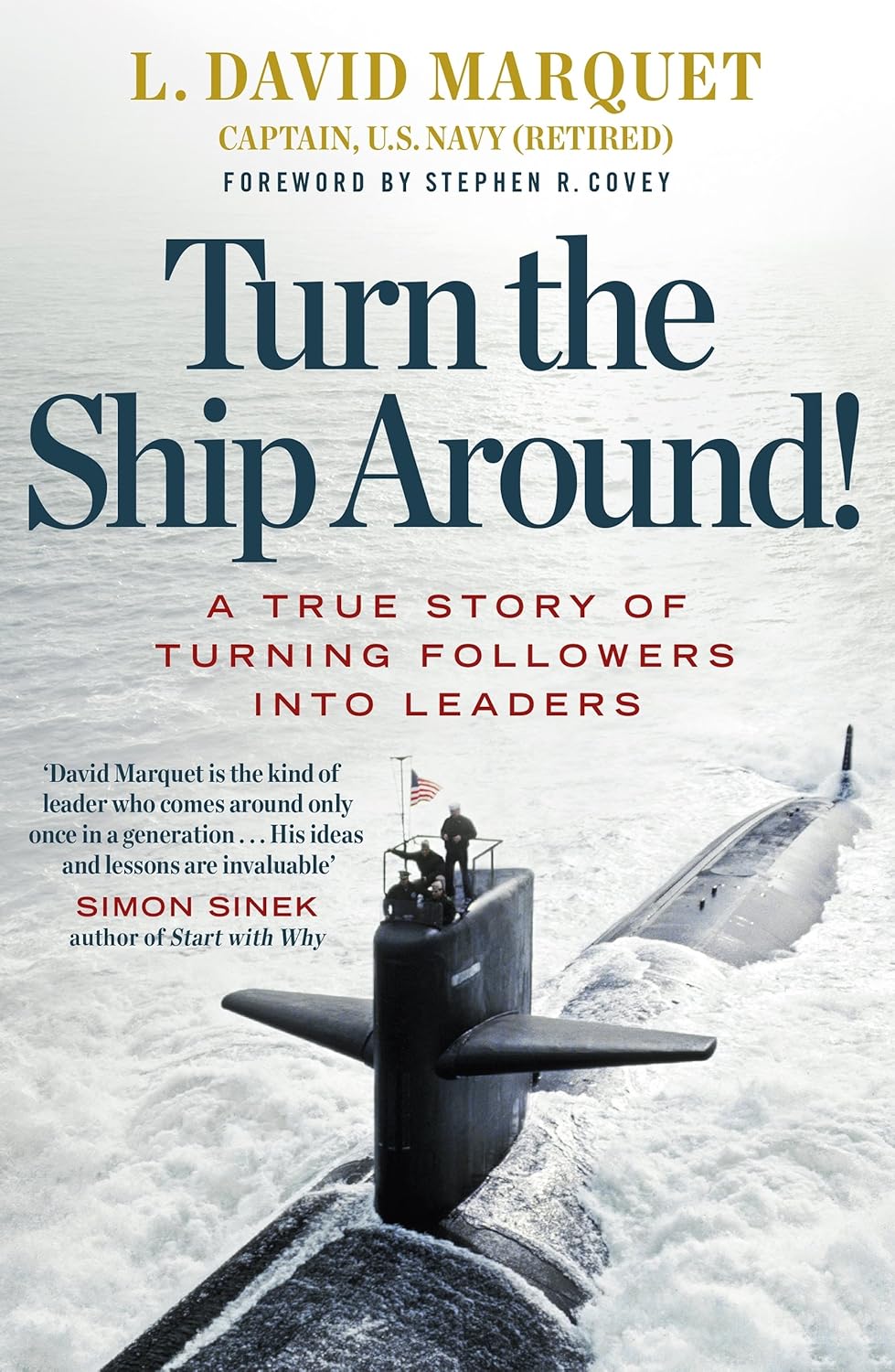
Yeah, no, no, no, for me, and it's it and it kind of like you going through that brings a couple of things to my mind. Um from a parenting point of view, I have friends and they always treat their children as adults, and so so for me that is that is something which is lived with me not only through my own parenting journey, but also in the workplace. So, my expectation: I'm a parent to one child, I'm not a parent to the people I work with, they are adults, and so we need to come to work as adults. Uh and and for me, then that's the um some great, great books. Um, so Turn the Ship Around by Dave Marquette. Off the charts, brilliant piece of genius. We'll put that in the show notes. Yeah, and and and for me, within that, you've got something where he's got the leadership ladder, and where you're trying to get to is level five, where it's I intend to. So it's not uh we don't want people, we don't want, you don't want to work with people where they're turning around and go, What do you want me to do? Because for me, that's a child. You want people who this is what I intend to do, and then when you get to that kind of point of intention, you've got the bit of going, well, that's safe to try. And and so that then opens up this whole thing about experimentation, which is a great word because experiments go wrong. Um, so yeah, big, big fan of that, and that is what we've tried to instill within FD works. Um, and that that was like a real eye-opener of the Xavier piece of working with experts, and and we'd never sit down at the end of a meet and go, right, okay, who's gonna do what? We would just disappear, and then we'd come back and we'd all done what we'd said we were gonna do, and we're all experts. Um one other book that I want to reference where you said waiter is a book called Unreasonable Hospitality. I've just I've read that about two months ago.
Paul Shrimpling: 17:06
It's stunning.
Jonathan Gaunt: 17:06
Go on, that's just and so and so for me that's the whole bit of how how in the how in our sector how do we create these moments of delight? And so it's a bit of a rabbit hole that I've gone down in terms of um how can we create this customer experience because AI will never get that customer experience, um, and it's it it's kind of um led me down paths of well, Walt Disney and and learning more about Walt Disney, and then there is also um the Havana Savannah, sorry, the the Savannah Bananas, which is a baseball team in um the US, and what they've tried to do is they've tried to kind of take baseball, which is an incredibly boring sport, and make it super interesting. So they've got um the Savannah Nana Nanas, who are old ladies who come on at half time to do a bit of showcasing, the players dance, they've taken a um a baseball game which normally is like three or four hours and condensed it down to two hours. They've allowed you to come to um the ground and it's a fixed fee, and you get um free food, and they cover the booking charge because people were frustrated that it was $25 and then a five percent kind of tax or fee. And I think there's just so much in there that gets me really excited about what we're doing, and it's like right, it's like I'm starting again.
Paul Shrimpling: 18:57
Yeah, yeah, yeah. It's when I uh uh the conclusion I reached from uh the unreasonable hospitality was that there's an and I know this sort of gives a bit away of the book if anyone chooses to read it, but it's a a restaurateur and a restaurant's on a journey to being you know voted the number one restaurant in the world, and they almost get there, but the reason they don't get there, the food's there, the food is there. So, you know, the accounts might be there, the audit might be right, the management accounts might be, you know, the food's perfect. But if the uh human interaction between the people in the restaurant from the minute they walk in to the minute they walk out isn't there, you don't earn the right to be the best there is. Now, don't get me wrong, every accounting firm is not aiming to be the best in the world. But the best in your universe is a good ambition to have, your universe, your geography, your sector, whatever it is. And so let's understand that it's um yes, it is about the food, it is also about the experience of being, doing, and having that food. And then you apply exactly the same metaphor to what's the delivery experience, the receiving experience around tax returns, payroll, accounts, audit. It's we've got to work on that human part of it, which is why I loved it, because it was like, uh, what they're saying here is to be the best restaurant in the world, you've got to be as good as good at the human stuff as you are at the food stuff.
Jonathan Gaunt: 20:27
But but but within that, Paul, as well, there's also a big element of letting go. So so they they talk about this concept of almost giving, empowering people to make decisions, empowering people to be able to kind of spend money if they think that that's the right thing to do. And I and I think there's so much that we can then kind of take away from that that we probably don't um we think we think that we're the ones that need to make all the decisions, whereas actually the the people around us are closer to what's going on, and we should be trusting them more and empowering them to kind of try things. And and and what's interesting in the book is they talk about this kind of concept of working out those moments of delight, and then you can systemise things.
Paul Shrimpling: 21:20
Yeah.
Jonathan Gaunt: 21:21
And and and I think it's little things like that that that it's really, really kind of powerful, but it's also then the bit of we're looking at a completely different industry, what can we take from them? And I think that's also then something of are we genuinely looking at what others are doing in other sectors and then bringing that back?
Paul Shrimpling: 21:43
Look at the outside, bring it inside. Because there is that piece, isn't there? That who are we uh who are our competitors? So if we're a bookkeeping firm, an accounting firm, an audit firm, whatever whatever our specialisation, whatever our sector is, what who are we competing against? And I I think sometimes that's a clumsy question because it makes you think about someone else in your industry, in your sector, in your geography, as opposed to well, actually, and and everyone's heard this, I guess. You know, Amazon has set the standard of how quickly you can get something delivered. Disney have set the standard on what toilets look like because they have to steam clean them every day. You know, that the the the the expectations of all of our team, because it's their experience as well, and all of our customers, the standards associated with that are being set by others, not our history, but by other people, other businesses, other organisations, aren't they?
Jonathan Gaunt: 22:37
But but but I think there's also that bit within there of actually who's our biggest competition, it's probably ourselves. Like I I I think like if you if you look at it slightly different, what's holding you back or what's blocking you, it's probably you. It's probably you that that or almost kind of like putting blockers in the way or going, oh, we can't do that. So I think sometimes it's a bit of we need to challenge ourselves more, and and that's also then things like in our day-to-day, I hate benchmarks because it's almost like a a benchmark is almost like it you can make it up, but actually I like a trend. So a trend is what the the way I've structured it, and as long as it's moving in the right direction, then that's great. Does it really matter that um someone down the road is is kind of telling you that this is what their score is for particular, it's bullshit, isn't it? It's almost like let's just let's just look internally and not care. And I guess that comes back to this controllable and uncontrollable. Like so I don't consume much rent, the news, I don't let much bother me. That it's kind of like okay, let me do my own thing. I'll look for knowledge, but I don't particularly get wrapped up in um the politics of life.
Paul Shrimpling: 24:10
It's uh yeah. I mean I I do I adopt a similar approach. Uh you don't want the noise, you can just influence what you can influence, control what you control, and you'll really feel more balance as a consequence. Um I think you'll probably buy into this because I'm uh I spent a lot of time in that stoic philosophical space as well. But uh Jonathan, you know, rocks are hard waters where that's the way that it is. That's to what's the next decision we have to make, what's the next thing we have to do? Uh is the uh there's a freedom in that, I think. There is a freedom in that. Um so these so so if we've um just uh recycling back to excuse the pun, uh back to the bike metaphor and we to challenge a fixed mindset or to influence a fixed mindset of a team member, it's about getting alongside them. What does that look like practically in your experience? And it'd be it might be neat here, Jonathan, for you to zero in on a specific story without naming names, where you've come across someone who's got a fixed mindset, whether a client, whether a prospect, whether a team member or colleague, yeah. And and what exactly is taking place in order to help them shift out of comfort zone to engage with and want to engage in the adventure zone because they've made the flip out of fixed to growth mindset.
Jonathan Gaunt: 25:28
Yeah. So so I keep on coming back to one statement of that someone someone posed to me one day of of literally just said, but what's in it for them? And I think that that's a really interesting thing there of everything that we do on a day-to-day basis. How many business owners are thinking about it from their perspective of what's in it for me? The reality is we need to be thinking about that from a wider bit of our team, an individual, what's in it for them. And so very recently I've sat down with a kind of a team member, and it's almost getting them to kind of think about what's their life plan. So um new family, what does what does that kind of like life then look like over the next five, ten years that you can you can kind of understand it, and I think it's all that bit of as soon as you've got some direction, you know it you you can start to solve it. So so it comes back to a very simple um equation of current state, future state, what's the obstacle in the middle, and so everything or not everything, but so much in life comes back to the more the more visibility and kind of granularity of that future state, then helps you to kind of look at the obstacles and then start to kind of work through those obstacles. And that for me is almost like the key the key bit of brilliant break it down, simplify it, and then build it back up.
Paul Shrimpling: 27:23
Okay, and so uh so I I've I've written the phrase get them to think about the future, the future state, the current state, the obstacle. How do you get them to think about it like that?
Jonathan Gaunt: 27:36
So as a team, we've done some fun things of almost just like a visualization board. So so in the office we've got um A4 bits of paper with things the team would like to achieve, and it's it's quite fun. It's probably something we need to kind of refresh, but within there you've got almost like pictures of dogs, you've got houses with a garage, you've got cars, you've got places that people want to kind of visit, and I think sometimes it's that bit of just getting people to kind of start, and then there's also something around smaller kind of wins, and it's and it's um great example. So one of the team um said I'd love to spend my um 30th 30th birthday, so his birthday's on um St Patrick's Day, and he said, I'd love to I'd love to spend my 30th in Dublin. And so it's kind of like well that's then something that's really you hear and well you're gonna make it happen, aren't you? So so sometimes it's the it's the whole bit if you just need to get people to kind of talk, and then that's almost then the bits where you can just take something away, and then it becomes your choice as to whether you want to do it. But for me, it was like an easy no-brainer of well, I've heard that. Um you've been there for ten years, and so the perfect thing to do is to make sure that he's there for his 30th birthday.
Paul Shrimpling: 29:22
Brilliant. Brilliant. I think there's something uh quite uh something very human in that in terms of all of a sudden if we're having that sort of uh uh future visibility conversation and we use a uh a piece of structure to facilitate that, you know, appraisal, you know, uh annual review, bi-annual review, whatever. There's a there's a there's a structure in most firms that facilitate that. Because I just think sometimes uh Jonathan, if it's left to be uh natural and ad hoc, it sort of just drifts and doesn't happen. So there's maybe there's a benefit to having those structures in place. Um most firms have them, whether they take them seriously enough, or like you're suggesting you're doing is make them human enough so that you better appreciate and understand what's really uh important to them, what they're really about in terms of what they want to have, what they want to do, and who they want to be. I just think there's those three uh three goals, you know, have stuff houses and cars, do stuff holidays and experiences, and and be a good dad and a good son and a good brother and friend, and so on. Uh there's three different types of goals in there. Um and I just wanted to signpost uh if you you use the structure, you have the human conversation, you facilitate encourage and and prompt them towards their future vision, they're going to be entirely engaged with what you want and what you're doing and what the business is doing more than they otherwise would have been. Um and I just want there's there's just a little thing that I think is important over there. You tell me if you think I think. is right or not is that there are moments in everybody's life which things change. There's those low-not moments. You know, child comes, you get married, you move house, uh, you uh you know, you you you leave your parents, there's your dad dies, so mine has in recent times. You know, those those trigger and those are opportunities. Okay, sensitivity around that. You don't have a personal goals conversation with someone whose dad's just died, do you? That's not appropriate. But there are there are moments where you and I often hear myself talking to the partners of accounting firms about okay how old are the kids? All right so they're gonna so they're 14. They're coming out of higher education if they go down that route when they're 22 23 so there's nine years. So in this nine year window then how what do you know what what do you want to experience and we've anchored it to that and it it changes the conversation entirely and it becomes more natural more human and more meaningful because it's anchored to a key moment which just happens to be nine years time when the kids are graduating.
Jonathan Gaunt: 32:00
Yeah yeah and I and I think we we don't use that time perspective enough. So there there's there's lots of people listening who I'm sure have got a young family and so there's this there's things which you've got in your life right now that you're never going to get back. So my son's now 20 he's not around on a day-to-day basis so I've got a lot of time but when he was younger that's time that you're never gonna get back you can't turn around and go um I'm gonna work less in the future and then spend time with my son because actually he doesn't want to spend time with me. He's got his own life so I think sometimes it's that bit of um when you start to overlay some of the things it's like well why do you really want it? And is is now the right time to want it or actually do you do you nudge it down the road a little bit because you you you can make money at any point in time you can't get that time back with your children.
Paul Shrimpling: 33:08
Yeah yeah I I wholeheartedly agree um and that that had that insight had a profound impact on me when we set remarkable practice up uh and and made sure we had all the school holidays with all the kids we had four of them it's you know to okay we sacrificed income on that basis um didn't matter to me but everyone's personal goals are different so it's been respectful of everyone's different uh different goals uh so what you're saying then in terms of breaking through the fixed mindset into growth mindset you get alongside them maybe use structure like appraisals take them deadly seriously make them very personal open a conversation pose a series of questions about establishing what their vivid vision is around have do and be goals yeah and your relationship your connection with each one of your team members is in a different space as a consequence and they're like to be more therefore engaged in their work engaged in helping your clients engaged in helping their colleagues so you're gonna end up with a more successful business do you think that follows through or is this just us having a really nice philosophical chat no no no totally totally and and the way I like it is um yeah I sometimes see us as like as a business owner you're the pub landlord and so what what do I mean by that um we've all we've all worked in shit places and um what can you do you can try and influence it but ultimately you've always got that option of going somewhere else whereas being the landlord your name's above the door and so you have to kind of stick around and so that for me is the bit where I take this very very kind of personal and it's the how do I create the environment that I want to be part of and I think then that's sometimes where you have to have some of those tougher conversations because if you don't it's going to impact you longer term.
Jonathan Gaunt: 35:09
What do you mean tougher conversations Jonathan um so so some sometimes when we we we've all worked in those environments where we don't agree with something and it's like you try and you try and kind of influence it but ultimately you can't influence it so um we've had we've had examples of um the culture around here is not great and it's kind of like well I take that quite personally because I work really really hard to create a culture that I would have loved to have been in my earlier career but it's also then that bit of genuinely it's it's almost that bit of when you when you get some of this feedback you need to kind of like unpack it and and reflect on it. And the bit I kept on reflecting I've going actually I don't think the culture is bad so therefore you've almost got to um call it out and and if people don't want to be part of that kind of culture and if it's not the right thing I think sometimes this is the bit where you've got to let brilliant people move on. Because being unhappy at work is something that we don't wish on anyone. And and someone being unhappy at a workplace that I'm responsible for um goes quite deep and something I don't want to see.
Paul Shrimpling: 36:49
Yeah we've uh yeah we we're kind of in a similar canoe here Jonathan I we've got one of our core values is uh be wholehearted. And so if you can't be wholehearted then either let's work out how to change the role, change the responsibilities, change the work um or maybe um maybe there's something more significant needs to happen because I'm not willing to work alongside people who aren't wholehearted. Life's too short. I've had the great this sounds a bit weird privilege of being seriously ill life saving operation come out the other side and go alright and to take a line from uh the uh the all blacks values is I don't want to work with dickheads. Yeah now that sounds a bit harsh uh but what I mean is it's I I don't use that in my own in my own business but I I I I haven't got the time or the patience to have anyone in an environment where they aren't living their best life and if they can't be wholehearted here they need to move on I think we're in the same space around that.
Jonathan Gaunt: 37:48
Yeah and I and I think there's also take it a stage further if people there it'll be you'll then get a bit of push back oh but they're really good but for me this is about creating space for the for someone else it's like if this isn't the right place the the phrase of are you on the right bus if they're not on the right bus for me this is about creating space on the bus for the right person to come and join you um and yeah like you get asked the question of what would you like the business to look like for me I'll make it as big as I can if I can work with brilliant people but if I can't find brilliant people I'll stay the size I am brilliant but if I can create an environment that people want to be part of if I can create a almost like a safe place that brilliant people can excel because they're working somewhere shit at the moment I would literally I would take risks on people and I would create roles um because I think sometimes it's that bit of if you've got talent you can find the work. Yeah and it drives you to do that as well doesn't it yeah yeah that that that's an interesting one the whole bit of hunger I think sometimes you need to be a little bit hungry in order to kind of go out and um push yourself we are we are a little bit hungry.
Doug Aitken: 39:14
Yeah yeah please forgive this brief interruption you secure the future profitability and future growth of your firm when your clients become more loyal to buy more from you are happy to pay more and also recommend you more these four important outcomes depend entirely on the behaviour and mindset of one group of people your client managers when your client managers improve their skills and mindset your firm results naturally improve too if you think that you could do more to build your client manager's capabilities please click the Remarkable Client Manager link in the show notes. When you do you'll be able to complete the client manager diagnostic it won't cost you anything and you'll discover the six elements that can help your managers unlock greater success in your firm.
Paul Shrimpling: 40:09
And there's there's a bravery about that as well isn't there we I can't tell you how often we when we work with the firms uh leadership teams is there's a resistance to uh what comes first uh uh capacity or growth now if you've um I've got a very very working with a very fast high growth uh audit firm at the moment they've doubled their turnover three times in five years and it doesn't matter what number starting number you put on that it's still bonkers um and it's slightly more than that but they they are they are recruiting way in advance of the growth because they have to you know it's almost well that's easy for them because they have to well it's not easy but they have to uh but if like your point is you come across your and I I I'm a big fan of always be recruiting but be have very high standards it's so you come across a really high quality person um but there isn't a role for them and maybe you can see that if you hire them you're gonna take margin out of the business temporarily but ultimately you know you'd like to think wouldn't you if you've got a really good person you and them and your team together will at least cover their salary in year one or in the first 18 months so you're not risking a great deal yeah it's not a big step and if if they're not as good as you think they are then it'll be a short lived experience anyway maybe um but let's be braver about building capacity in around really good people because it's a low risk decision don't you think yeah absolutely absolutely and and I think I think it's almost like that bit of how do you measure capacity so in our firm we we use something called labour efficiency ratio which is the the kind of the connection between gross profit and basic staff costs.
Jonathan Gaunt: 41:51
So why basic?
Paul Shrimpling: 41:52
Because it's incredibly simple and so the the whole idea of can I can I just stop that just just give me an example as to how that number plays out just for absolute clarity here because I'm interested I'm always interested in the number because it's the humanise the numbers podcast we've got we've opened the numbers conversation.
Jonathan Gaunt: 42:08
So let's keep it let's keep it really simple and let's say you've got um uh month recurring revenue of oh month recurring gross profit so revenues £52000 you're spending £2000 a month on software which relates to your clients so you've got a gross revenue of £5000 let's assume then that you are then spending 25000 on um staff costs you've got a loan to uh sorry you've got a labour efficiency ratio of two so what you're doing is you're then coming back to the trend what do you want that trend to be so you've got a lower limit so let's say the lower limit is two and then the upper limit is two and a half so what you're doing then is you're saying then as the gross profit grows to the two and a half you're almost saying well actually we've got more efficiency within the team so when you get to that two and a half you have to make a decision you've got two options you can either pay more or you can hire and then effectively you're pushing yourself back down to the two but it's a really nice way of kind of modeling that kind of growth and in some ways again this is the bit where you're humanizing it because you're pushing it back to the team and you're saying right okay what do you want to do? So do you want to hire or do you want to pay yourself more but actually then that paying yourself more is you running a little bit faster and that comes back to can you answer the question of what's in it for me?
Paul Shrimpling: 43:50
Hmm yeah yeah and it's not just about the money is it it's about the stress the pride the quality of the work you're doing and your ability to enjoy your holidays because you're not taking your laptop with you.
Jonathan Gaunt: 44:01
Yeah yeah yeah no I love that see the it's interesting talking to this fast very fast growth uh audit firm uh is the question is what are the triggers to prompt the recruitment and essentially you could use that two to two and a half as soon as we go beyond 2.4 let's start recruiting or maybe start recruiting at 2.3 if the trends build in that way because it's going to take us three to six months to find the right people uh so there's a time delay built in and I and I and I think Paul this is this is the bit where you come back to what's the trend what's your numbers so for some people it it might be that that they're working from a three or like it it it's entirely up to you what's the right number for you which gives you the business that you want and then you'll get into the whole bit of what's included within your basic staff costs so do you include your salary that you take of 11,000 pounds or do you include your commercial salary? It's all of those types of things and so that for me is where you get to this pension training or yeah yeah yeah yeah so so it's a trend it's your numbers yeah and as long as you're consistent with what you're including then the trend's meaningful and therefore it can trigger and prompt a decision at an appropriate moment in time I love that as in terms of a practical number that drives a human decision about paying more recruiting the next uh load of people yeah I love that so I interrupted you Jonathan because you're about to unpack something else in terms of that labour efficiency ratio and how that's relevant to um the creating of capacity but I guess the numbers unpacked it for us has it or is it something else you're trying to get to no no no for for me for me it's almost that bit of um it comes back to that ability of being able to answer the question of what's in it for me because if you haven't if you haven't got that in there then ultimately it's almost like you don't know what capacity you've got and I think this is the bit of we're too far away like yes I can do bookkeeping but I'm not very good at it and so and so it's almost then that bit of well why am I even making decisions about what software we use this is where we need to be kind of pushing some of those decisions and treating people as a real expert and so this perhaps then frustrates me why you go to AccountEx why you go to DAS and you don't see the people who are doing the work on a day-to-day basis you've got old grey people like me walking round looking at shiny things and then almost trying to force it on the team I think there needs to be this almost like bit of who are the right people to show up at the right time and let's empower them.
Paul Shrimpling: 46:50
Let's sit back and watch them let's have yeah we can sit on a we can sit outside and drink coffee while yeah and have a chat with all our uh old cronies maybe have to play some chess um excuse me uh there's a couple of things I I just want to pick up on and it to a degree it's a have we got the right people in the right role you know I'm good at be but I'm not but good at be bookkeeping they are they should be involved in the decision and then we're back into the turn you ship around I intend to give them some space so that they can have that conversation with you uh in order to help you influence the technology choices or any other choices and decisions because they're close to the tools and there's a if one of your colleagues is the grey hair going to make those decisions to inflict it on your team as opposed to then taking your team and encouraging the team to take the lead on this there's the two very different terms. You've got to call that behaviour out if that's happening if you genuinely want the people on the tools to be involved and bear in mind they're the future of your business and they're the ones that are closer to your customers in the work anyway so that would make sense you also touched on the if someone doesn't fit culturally or someone's not behaving to fit that behaving well enough that follows through on your values and behaviours you've got to call that out as well Jonathan that's one of the hardest things any leader manager has to do isn't it in terms of that call people out what's your approach strategy specific skills around calling people out so feedbacks feedback's a critical thing so so we've quirked we've worked hard of almost like how do we create this um psychological safety is that the core of this so um I've been on a bit of a journey with the turn the ship around psychological safety but ultimately it's almost that bit of you need people to feel comfortable you need them to feel safe and then you're starting to kind of get to this point of how do we give feedback and it's about training that's hang on hang on well what yeah yeah okay let's train that in so I um so you you're referencing the Aristotle study from Google I'm guessing here in that that psychological safety space and so if you listen to this just google uh Amy Edmondson Aristotle uh study at Google and and you'll find a the profound deep insight into the importance of psychological safety to to build a highly engaged and highly effective team. The uh and tell me if I've got this wrong or right Jonathan the studies show the best performing the highest performing teams at Google the the singularly most influential and common element to those teams is a sense of psychological safety within those teams experience knowledge uh uh qualification all the other stuff just pale into insignificance compared with psychological safety yeah and it's the ability to be able to speak up it's it's that bit of when something doesn't feel right you are in that position where you're kind of turning around and going I feel like I can speak up yeah and so that's a that I I like that practical insight actually so if you look at your team and go, are they really speaking up or are they sitting back? They're not participating well there's a distinct likelihood you haven't got the levels of safety in the terms of the way they feel so you need to work on that. Please forgive this brief interruption Jonathan's opened the topic of psychological safety if you want to dive into a business breakthrough report that you can read in the time it takes to drink a cup of tea or coffee please go to the link in the show notes. Let's get back to Jonathan now. And that's a podcast in its own right but I'm curious about uh how do you create when in that feedback calling people out space that sense of psychological safety and what skills are you using in order to ensure that happens.
Jonathan Gaunt: 50:47
So so I think some of it takes time and when we're not always getting it right but I think sometimes it's that bit of again this comes back to some of these things feel uncomfortable but you've got to be comfortable feeling uncomfortable. And we've tried to do things around training so we've tried to kind of go through that bit of what does brain friendly feedback look like? So are you starting with good intention so that's the bit before you even have the conversation where is this coming from am I doing it with good intention or am I doing it for my own kind of benefit? The next bit then is permission and that's almost the bit where it's like Paul can I give you some feedback and that's really important because you're then almost getting someone ready to receive feedback whereas it's almost like if you just spring it on them you are going to get that reaction and it's again it's also that opportunity for someone to turn around and go no it's not like so so again it's this bit of gently into it you then have to be very specific around what that feedback is and there's sometimes it's then it's almost in this bit of it's how it made you feel as well so again this comes back to people with different styles will respond to things in a very very different way and so it's then that bit of it if there's a conflict and things like a disc profile it's like a strong D won't ask you whether you had a nice day it will almost be wallop that's what I want. Straight in and and so you and so it comes across as they're really rude but if you know that they're if you know that's their style then that's the bit so it's again it's it's kind of warming up. Ignition yeah and then it's and then then it's this bit of did you have the impact so so almost like it's that bit of um is it kind of coming across and then you're almost checking on that. So it it's something we've tried to train in it's something we probably need to come back in revisit we've made a little bit more fun so we will we get people to do feedback walks. So it's that bit of um the FD works office is on a farm and we've got four or five fields that we can walk around and so it's almost like Paul do you want to come for a walk? And that's the whole bit of um coming back to the bike it's far easier to have conversations with someone side to side particularly for men it's like it's very difficult to look someone in the eye and give them a conversation side to side is way way better and then one of the funniest things we did is um a take on speed dating we did speedback so okay we we literally lined everyone up and we all moved around and we gave each other I think it was two minutes of feedback.
Paul Shrimpling: 54:09
So it was planned in advance and then literally you'd sit down and you'd go through this whole brain friendly feedback and then move on and then it was almost that bit of we didn't we didn't really kind of get into the deep element of it but then there was this this element okay let's go for a walk and let's unpack that a little bit more yeah yeah yeah yeah it takes time it takes time um but I think this is the bit of we've got to humanize the workplace we've got to look at different ways of doing things um yeah we'll never we'll never stop learning yeah well every day's a learning day it's as glib as as it sounds but it's true it is true if if we hold a growth mindset DNA like you um you know it's a daily daily experience if I'm not reading every day then I get a bit grumpy. Yeah but that's easy for me in my role uh it's interesting with the the managers I was working with yesterday not not not so easy because they've not they've not yet got themselves connected to their vision and how that growth mindset and cultural behaviour and attitude and so all the things that might not feel natural but if I own it and take responsibility for it and behave in a slightly different way I'll get slightly different results which may take me to the house. But but but that's where that's where this is this is so powerful because like you can take things with you so so for it's all I like going for a walk listening to a podcast or an audiobook or um going to the gym and I will just put some ink on so it's almost like I I try and squeeze things in and it's like yeah I'm a man but I'm trying to multitask yeah multitasking there's lots of research about that multitasking thing's not necessarily a great thing but um when I fall off the back of the treadmill yeah yeah and those those videos where you like you go we should get slammed into the wall yeah they're very funny and and then and then you'll be saying told you so please don't blame me if that happens next time you're at the job Jonathan can I just I just want to share something if just because it's it's it's it it's connected with uh um uh I've been reading some uh philosophy from a guy called Babel who's from the 18th century and um this is an interpretation of what um uh he he's talking about and and it's back into that you know that you know that process you ran through about feedback is you've got to have a good intention so you've got to sort your own what's going on in your head out and your heart before you step into a feedback conversation because if you're going into that thinking you're going to blame them and fix them you're probably not coming from the right space and it's just influencing that and then asking permission and get to specifics and understanding that the responses will be different depending on their D I S and C what is it um direct uh influencer steadiness uh compliance I think that's the uh the disprofiling piece isn't it um they'll respond differently but in that good intention space I this is where the Babel thing's really got into my head and he talks about when say we're in a conversation a feedback conversation and I've got an idea about what's going wrong that needs to be worked on not fixed but worked on together we're working side by side we're walking around the fields however we whatever setting we're working in uh I've got a thesis now whatever comes out of my mouth you will have what Babel calls an antithesis it's the your view is it's an alternative what can you see is my word thesis is now in your antithesis which it wouldn't have happened if I hadn't have created my first word so I have got to own responsibility for your response and your content because I contributed to it. And I think there's a what was for me what was missing from your thing with your intentions permission specific response piece is actually responsibility for the conversation sits with both parties. And and Babel talks about okay I've got a thesis you've got an antithesis I then feed off that as well and we're on this spiral which and this is where it's very clever then if if we manage that conversation well we'll have synthesis synthesis and we'll have a third way that's actually got the best of what I've got the best of what you've got um but the best of you and me together is is far more powerful than anything I've got individually or you've got individually I love that little um picture of the upward spiral and thesis antithesis synthesis at the top.
Jonathan Gaunt: 58:57
Yeah yeah and I I think there's so many tools that we could be taught throughout our career which just made life so much easier for us. And that and that for me is like the delight of the learning of almost like listening to something and then starting to think about how can I apply this to my use it yeah apply it yeah yeah yeah absolutely and I think anyone listening to this and going am I learning enough?
Paul Shrimpling: 59:26
Am I getting enough inputs is is question one. Question two is am I then and you you hinted at this uh uh earlier am I then running an experiment to see if that works and and and run the experiment to see if it influences the trend well experiments that happen once as opposed to them well let's run a 10 week experiment on this is better than let's just try it once and see if it works or it doesn't work because if you run an experiment once it's like if you've never made a pot on a pottery wheel ever in your life and you run an experiment for one pot, well that doesn't work, isn't it? You've got to go through a number of iterations before you can really assess whether the experiment's worked or not um I just love that those the the the the responsibility intention permission specifics and understand the responses are different. There's a really practical framework there that um uh influences that feedback piece which I'm I'm actually going to I'm I'm working with about 30 accountants in about a month's time on accountability if with your permission I'm gonna share that uh share that framework yeah no I've like I've I've been exploring learning so we we've got um we've got someone local to us um Mark and he's kind of he's been kind enough to share so much of this almost like the theory of how do we create this new way of working um yeah that that for me that's the that's the bit of
Jonathan Gaunt: 1:00:54
I did corporate world. I moved away from corporate world, and I want to create this workplace which is very different, where it's empowering. We treat people as adults, we treat people as experts, and that for me is almost like I I want to create something very, very different. And I think that's the that's the should be the modern workplace.
Paul Shrimpling: 1:01:20
Well, it is the modern workplace, and they exist. And the the the the the more people who pick up and run with that the humanity of the workplace.
Jonathan Gaunt: 1:01:30
Yeah.
Paul Shrimpling: 1:01:31
And uh while and it's like, well, well, make less money. No, I don't think so. The evidence suggests completely the opposite.
Jonathan Gaunt: 1:01:40
Like there's little moments where you you think, so when we started the journey, it was it was kind of clear of we were almost taking away hierarchies, and we were told that you'll lose brilliant people along the way, and we have lost brilliant people, so technically, people who were very, very good, but it's not the right place for them, and then you get to little um like eureka moment that is just like empowers you, it gives you that um nod of confidence where when things go wrong, it was almost like, Well, you're the business owner, you've got to sort this out, and so it's like oh shit, and then and then there's a moment where things don't go wrong, when things go wrong, and then someone steps up and it's like this is my mistake, let me handle it, and and it's just like wow, wow, like genuinely wow, this is why this is why I started on that journey, and this is why I want to keep going on that journey, and this is why I want to go faster, because I think that we can create a place that can house more people, and then that's the bit where you've got to be very, very careful about letting people in because the old saying of it only takes one bad apple to ruin the barrel, and this is why at times you need to be confident of do we need to put more roles rules in? No, we don't. We need to address why we need to put that rule in, and I think this is the this is the bit of we put too many layers of bureaucracy into what we do, which add no value, people look at and go, what's the point? And so that for me is just like let's strip it away, let's treat people like adults, and let's see where we end up.
unknown: 1:03:40
Yeah.
Paul Shrimpling: 1:03:41
I I could be opening a uh another podcast here, Jonathan. I'm curious. Have you studied the Toyota production system?
Jonathan Gaunt: 1:03:48
Yeah, so so not not not religiously, but there's there's certainly elements that I've taken away from the whole kind of like Japanese um way of working, of almost like the micro teams. So um there's there's some studies of I think it's Birksord, which is um a healthcare provider in Holland, and and what they literally did is almost like they empowered local teams. So within a team, you've got the various roles and responsibilities, and it's almost like that's where all the decision making happens. Um funnily enough, I saw a link LinkedIn post this morning, and it was kind of talking about the the lines of communication. So when there's two people, there's one line of communication, when there's three, and it's almost then that bit of actually does it become a point where teams are too big, and then actually things just get lost. Um but but this is this is kind of making me think a little bit though, Paul, of we need to go back and make sure that we are instilling those solid foundations. So we've done things to put to put practices in place around the decision-making process, but around feedback, but I'm not sure whether um on reflection I'm doing enough to kind of maintain that because this is a cool principle in which the business is built, and if we let these um skills lapse, then that's the bit where we have danger and falling back to be like everyone else.
Paul Shrimpling: 1:05:43
Yeah, yeah, yeah. In fact, yeah, um, just to sort of contribute to that a little bit, Jonathan, if if you were to draw on a piece of paper a two by two grid, you know, a box with four boxes inside it, and down the left hand side you put behaviour and attitude, and on the right hand side you put structure and community. And you you then look at something you want to improve and go, oh, what are the what are the behaviours that derail that uh on what are the behaviours that actually support? What are the attitudes that derail and support? What are the structures that would derail that support? And who the community that is who should or shouldn't be involved. And that that's in and if you come at it with the you know the uh micro teams small teams of uh the what's the um hire, you know hire the um white goods, brown goods manufacturer, white mainly white goods for Chinese uh origin. They bought um Whirlpool, everyone's probably heard of Whirlpool. They um they have micro teams, you know. The teams are eight people, ten people, twelve people max, but there's thousands of them because they're the biggest white goods manufacturer in the world, with and they've they've pushed responsibility into those teams.
Jonathan Gaunt: 1:06:59
There's a book, there's a team all the key to teams. Yeah, there's a book that I've read, and I'm trying to like look at it underneath my desk, but I can't read it as well. I think I can't see it.
Paul Shrimpling: 1:07:13
Where is it? No, it might be in the other. I'll put it in the show notes. Uh Jonathan, we'll find it. Between it, we'll find it.
Jonathan Gaunt: 1:07:19
I'll put it in the show notes. But but again, for me, this is the bit of looking at other industries and then bringing it back and going, could could some element of this work within my business? And that for me is the bit that's the exciting.
Paul Shrimpling: 1:07:34
Yeah, yeah. The possibilities are amazing. That that's what gets every firm we go to. I look at and go, oh, the opportunity is massive. You know, even if it's a small team, if it's a big team, it's almost mind-blowing the scale of the opportunity. If we can tap into the voluntary effort and emotion that sits with every single human being in their team, as opposed to them just coming in, crunching the numbers and going home, going to the pub, coming in the following day, crunching the numbers, going to the gym, going out. You know, there's how do we get all of these people, whether there's two off 200 or 20,000, to a place where they're uh they're bought in, they're engaged.
Jonathan Gaunt: 1:08:15
Yeah, um, no, no, and and and you saying that you're saying that opens up then a whole other kind of conversation or a whole other kind of like thought process. So it's almost that bit of when people show at work, up at work, what as an employer, what is the employer getting from them? Are they buying time from them or are they buying value? And and this is the bit where I'll keep coming back to we need to be buying value from the people we employ, and that's so what do I mean by that? If someone could come in and do their job in two hours, and we've got that value exchange, and they can do that in two hours, fine. That's that's perfect. But what we almost need to be doing is then it's the conversation of going, Well, could I buy five hours like have you got more and therefore I can give you more back? So, why do we put limits on what someone could earn? And would that then keep people as experts? So if I go back to my corporate world, it's uh I need more money because I want to buy a bigger house because my family's expanding. It's then suddenly will I go from being an expert to a manager, I don't like people, to a director where it's like I'm even further. I'm really good at building things and you've taken me away from it. I just think this is the bit where we need to shift that modern workplace.
Paul Shrimpling: 1:09:59
Yeah, I agree. And it is just for me, it's just not shifting fast enough. How do we shift the profession? Which is why I was really engaged when you opened with that line, really, at the beginning. Um, so Jonathan, there's if there's one thing we've talked about today that's proper got in your head that you're going to take away and and and either think deeply, learn more, or uh implement something. I'm just wondering what's um what where where you've got value from this conversation? Uh I I think it's around the reflection pool.
Jonathan Gaunt: 1:10:28
So so we've I'm a starter, and so I start an awful lot. I have to work quite hard at finishing things, and so I think that there's this reflection of what are some of the tools that we have um got, and how do we go back and make sure that we are using those on a day-to-day basis? Because I think then that gives us a solid foundation. It's also then the bit of if anyone else enters, it's almost that bit of we can get them up to speed as quickly as possible. So it's not necessarily something new, it's the let's make sure that we are um respecting what we've already done and we're getting the real value from what we've already done.
Paul Shrimpling: 1:11:20
Yeah, fantastic. And it's just raising the standards, raising the bar of the good things that are already happening in the firm. I think that's uh a brilliant insight. Thank you very much. Uh Jonathan, I don't know how you feel, I I could just keep going with this for about another two hours, but we can't do that. Out of respect for the list and respect for you and your diary and Joe's and mine. Um I can't thank you enough for being so open and candid and very much in that human space. We hardly touched on the numbers, so I'm really pleased we got that labour efficiency ratio piece uh uh in in there as well. Um would you please just um run me through how many? I just I'd like to know your numbers if if you're willing to share in terms of you know, FD works, you know, how many is in the team? How many clients have you got? What's the average fee per client? I just want to get a sense as to because we might fold this into the beginning of the podcast just to set the scene from a credibility point of view.
Jonathan Gaunt: 1:12:15
Okay, so so in terms of size of the team, um, we are 12 strong, we have um just under 75 clients, and the average fee is about a thousand pounds a month. Um, that's an average. We've got some that are way above that. Um and I just think that it's the it's the perfect size of really getting under the skin of of demonstrating how you can how you can add value, how you can how finance can be a superpower. And from a profit point of view, we're incredibly profitable. So that that myth about um is there money to be made? Absolutely, there's money to be made.
Paul Shrimpling: 1:13:04
Yeah, yeah, yeah. Um there's um one piece that I think uh occurred to me then has just dropped out of the head, it doesn't matter if we don't get there. Uh so 12 people, 75 clients, average for you a thousand pounds. That was it. Um scale of business, smallest, largest, just sort of get a sense as to who's paying you know an average of a thousand pounds a month, but some paying a lot more than that.
Jonathan Gaunt: 1:13:28
Okay, so um the average I would probably say is um 15 clients, they might be on a uh a growth uh journey, so they might be um funded startups that need um systems put in place. Uh a lot of them are, I would say, in the do space, so service-based businesses or or SaaS-based um businesses, but I think ask the right questions demonstrate we can add value and there's a lot of um opportunity for good finance professionals to add value.
Paul Shrimpling: 1:14:13
Yeah, irre irrespective of size of business, nature of business, sector, whatever. Yeah, yeah, I think that's uh yeah, brilliant. Brilliant. Um, uh Jonathan, thank you very much. It's been uh a real pleasure. Uh really uh really enjoyed it, the time's flown by and um can't thank you enough.
Jonathan Gaunt: 1:14:32
Really enjoyed it. Thank you, Paul.
Paul Shrimpling: 1:14:35
Good. Um Jonathan, if there's anything I can do quid pro crow to uh support you in any way, uh in I hope you know, then please just um just shout. Um I can't believe we haven't crossed swords properly before. We met once and then the countex in a very brief interaction, yeah. Um a long time ago. But um, thank you. I will get it.
Jonathan Gaunt: 1:14:58
No, so so genuinely, genuinely, I think this is the bit where we we it's about nudging people in the right direction, and there's not enough. Um I think the industry is struggling at times, and I think some of it is about um it's the core bit of people, it's do the numbers work, and so much of that is brand pricing.
Paul Shrimpling: 1:15:24
Um, but it it is, and that's that's another conversation. I'm more than happy, by the way, to dive on a podcast at some time in the future and just go, right, let's look at the core numbers that exist between your team members and your clients and the processes in there uh in order to drive the numbers up. So this if this podcast has been very much a human space, we we can absolutely have a uh conversation and compare notes on that. So I I can't tell you. Is there a conversation I have with a firm where we don't talk about pricing? No, because it's a key driver, it is a key driver, and the processes behind it in virtually every firm, no matter what tool they're using, could be improved significantly if they only invested the time, effort, and energy.
Jonathan Gaunt: 1:16:04
Which is not commercial, like I I say accountants aren't particularly commercial, and I would say practice-based accountants aren't commercial. Yeah, yeah, they're not.
Paul Shrimpling: 1:16:15
They can well they can be profoundly better. Yes. Give them some uh yeah, yeah, yeah. Give them some reference to the language. That's right. No, brilliant. Throughout this podcast discussion with Jonathan Gaunt, we've opened a number of elements disprofiling, psychological safety, amongst many other things. All these topics, all these skills, all the tools associated with them show up in the Accountants Growth Academy. If you want to find out more about how you can join in the Growth Academy, please go to the link in the show notes. You'll find more valuable discussions with the leaders of ambitious accounting firms at humanize the numbers.online. You can also sign up to be notified each time a new podcast is made available.
Doug Aitken: 1:17:14
This is a short snippet from a podcast with Donna Field of Autumn HR, in which she talks about the popular misconceptions around HR and what it is actually there to do. If you'd like to hear more, go to your usual podcast platform or listen to it on humanisethenumbers.online.
Speaker 1: 1:17:34
What AI will never be able to do is uh the human connection. So, you know, a huge part of uh human resources is human connection, human engagement, and you know, AI will never be able to read the room to see, you know, what the uh what the vibe is if there's anyone you know in particular who may be um particularly challenging or or not engaged and won't be able to hold difficult conversations when it comes to um performance conversations or exit conversations. So AI will not ever be able to replace that.
CHAPTER MARKERS
START TIME | CHAPTER TITLE |
|---|---|
0:21 | Introduction |
5:01 | What does Humanise The Numbers mean to you? |
5:47 | Comfort zone and adventure zone |
8:34 | Adapting your style and DISC |
12:57 | Shifting from a fixed to a growth mindset |
18:06 | Moments of delight |
23:37 | Your biggest competition |
26:28 | Whats in it for them? |
33:00 | The time perspective |
36:09 | How do you have tough conversations? |
41:09 | Capacity or growth |
43:08 | The labour effeciency ratio |
49:50 | Feedback with safety |
51:47 | FD walks and speedback |
1:04:41 | |
1:11:28 | Conclusion |
Click the play button below and use the slider on the audio below to get quickly to the chapters in the podcast.
Resources relating to this podcast:
Paul and Jonathan talk about how to deliver feedback and the importance of making the person you're talking with feel safe, so that they feel like they can speak up, that you are listening, and that they are being heard. Paul poses the question 'are your team speaking up or are they sitting back?'
Are you building a culture where your team feel psychologically safe to speak up?
If you want to know more about the importance of psychological safety and the difference it can make to the way your team feel and to the conversations you have with them, please click the button below to read the Business Breakthrough report 'Build Psychological Safety'.

Click the button below to discover more about the Accountants Growth Academy.
Remarkable Practice Client Manager Programme
You secure your firm’s future growth and profitability when your clients are loyal, recommend you more, buy additional services and are open to regular price increases.
And what drives all of that?
Not just technical quality. Not just deadlines met.
It’s the behaviour and mindset of your client managers.
When your client managers improve how they engage and care for clients, your firm’s results improve.
So the question is: Could you be doing more to build your client managers’ skills and mindset?
That’s exactly what our Client Manager Programme is designed to do.
It helps client managers:
- Build deeper client relationships
- Deliver value beyond the numbers
- Handle pricing conversations with confidence
- Spot and act on opportunities for additional services
Great client care is no longer a soft skill. It is a strategic advantage.
Click the button below to read more about our Remarkable Client Manager Programme and, if you want to discuss it further, please get in touch via the 'chat with us now' button on the website. You'll speak to a real person, not a bot!
During the podcast, Jonathan mentions several books that have influenced the way he has approached certain aspects of his business.
He referenced Turn the Ship Around, by David Marquet, when talking about the importance of coming to work as adults.
Click the button below to access this book.
He also cites Will Guidara's book, Unreasonable Hospitality, when discussing moments of delight from a customer experience point of view.
Click the button below to access this book.

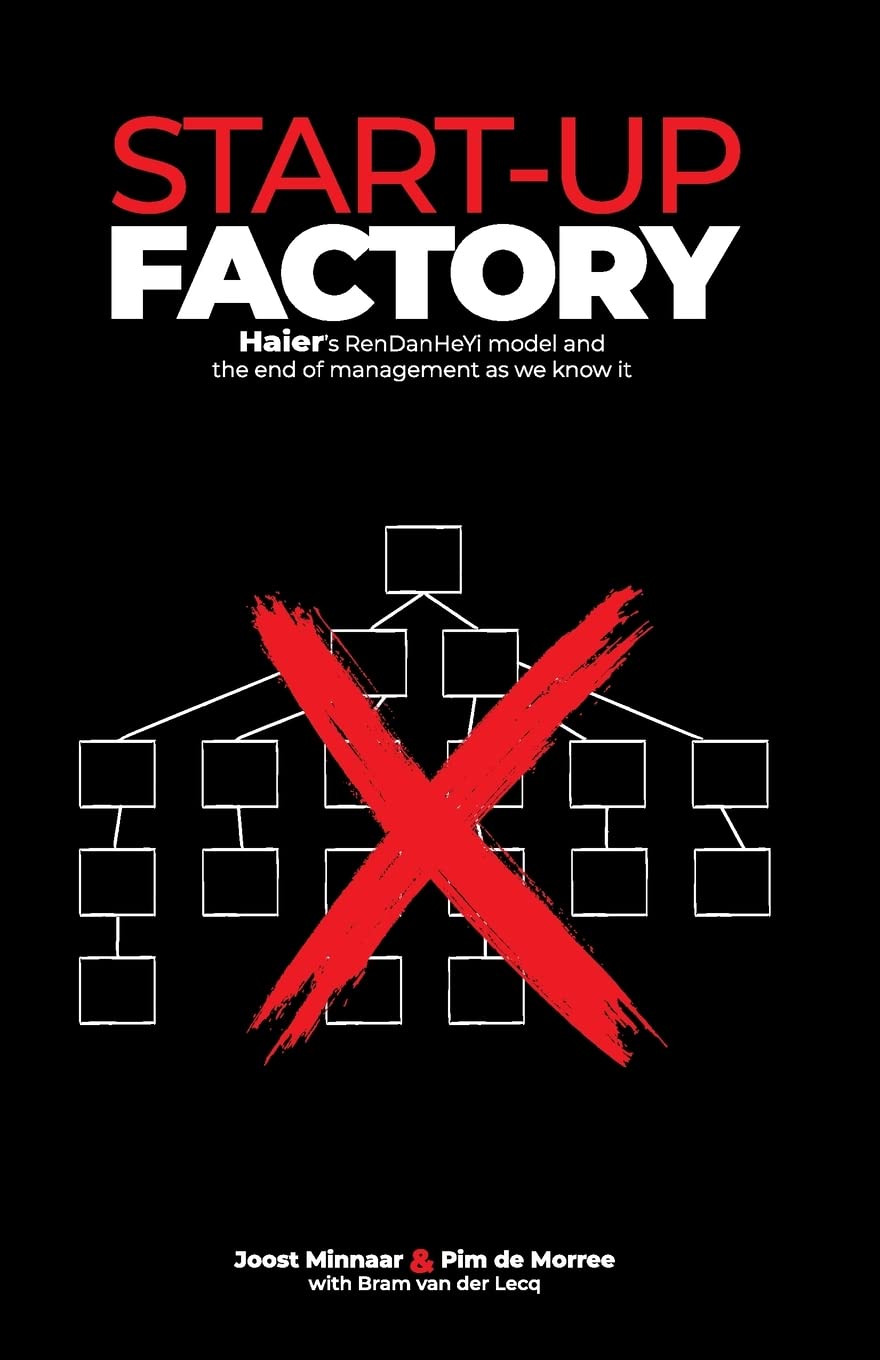
Another book that came up during the discussion was Start-up Factory, by Joost Minnaar, Pim de Morree and Bram van der Lecq.
Paul referenced this book when talking about small teams and the success of having one line of communication.
Click the button below to access this book.
Your Firm’s Future – by Douglas Aitken and Paul Shrimpling of Remarkable Practice



In a world of constant change, uncertainty, and increasing client expectations, one thing separates ambitious firms from the rest: strategic health.
In our book, Your Firm’s Future, we share a practical framework built around 8 essential questions that will help you assess and build your firm's strategic health.
Why does strategic health matter so much? Because when your firm is strategically healthy, it benefits your team, your clients, in fact, everyone connected with your firm.
Strategic health isn’t just an internal metric. It delivers a better outcome for everyone connected to your firm.
Click the button below to take the strategic health of your firm seriously by completing our Strategic Health Diagnostic
or
click the button below that to buy the book.