
What is it like to leave the security of employment in a medium-sized firm to set up on your own? In this podcast with Amy Hancock of Hancock and Hastings, you'll find out how Amy decided that the time was right and how she has made what was a side hustle into a full-blown, well-run business. You’ll also discover the factors which Amy considered as she thought about taking that big step of setting up on her own. Scroll down this episode page for the contact information for Amy and for the additional, downloadable resources mentioned in the podcast. |
The Solution:
We've actually shut our doors this month for the first time ever, and I think it's because of MTD. We were just getting a lot of people coming, and we can't onboard them quickly enough with the process that we have to go through with the engagement letters and the AML.
So, we're having a sense of calm for the rest of this month, and then we'll open the doors up again next month.
So I think I have a limit that I could get to; I'm not quite sure what that limit is yet. I'll let you know when I'm losing sleep, but it's not going to be a firm that was going to grow and grow. I'm going to have a ceiling, and that's fine because it's a lifestyle as well for me.
I work in the same town that my kids go to school in, so we walk to pick them up, and they come to the office if I need to have a meeting. So, it's very much a home from home. I've made the practice what I want it to be.
-
SHOW NOTES
-
TRANSCRIPT
-
CHAPTER MARKERS


Welcome And Why Humanise Numbers
Paul Shrimpling 0:05
Welcome to the Humanize the Numbers podcast series. Leaders, managers, and owners of ambitious accounting firms sharing insights, successes, and issues that'll challenge you and connect you and your firm to the ways and means of transforming your firm's results.
Amy Hancock 0:21
We've actually shut our doors this month for the first time ever. And that is because, and I think it's because of MTD, we were just getting a lot of people coming, and we couldn't on we can't onboard them quick enough with the process that we have to go through to with the engagement letters and the AML. So we're having a sense of calm for the rest of this month, and then we'll open the doors up again next month. So I think I have a limit that I could get to. I'm not quite sure what that limit is yet. I'll let you know when um I'm losing sleep, but it's not gonna be a firm that was gonna grow and grow and grow and grow. I'm gonna have a ceiling, and that's fine because it's a lifestyle as well for me. I work in the same town that my uh kids go to school in, so we we walk to pick them up and they come to the office if I need to have a meeting. So it's very much a home from home. I've made the practice what I want it to be.
Doug Aitken 1:23
What persuades an accountant to leave a decent, medium-sized firm in a steady, well-paying job to set up business on her own? In this podcast with Amy Hancock of Hancock and Hastings, you'll hear how Amy decided when the time is right, how she went about uh exiting from that firm, and how she maintained relationships with that firm as her journey on her own has gone on. Let's go to that podcast now.
Amy Hancock 1:56
I'm Amy Hancock. I'm an auditor and accountant in Bedfordshire. I've been an auditor and accountant my whole working life, and it's something I've always wanted to do and would never change it for the world.
Doug Aitken 2:10
Ah, Fab, what a lovely intro. Um, great to have you on the podcast, Amy. Thanks so much for introducing yourself. Uh, an auditor and accountant. So that'll be a fairly rare beat these days.
Amy Hancock 2:22
I know, I know. Um I try and I try and keep many in the audit profession, but um many want to leave, unfortunately.
Doug Aitken 2:31
Yeah, absolutely. Um so thanks again for joining the podcast. As
Calming Client Fear Around Audits
Doug Aitken 2:36
you know, our podcast is entitled The Humanize the Numbers Podcast, Amy. So um that and that echoes our core purpose, which is to bring a human dimension to uh a numbers-dominated profession. But I just wondered what you got from that core purpose, humanize the numbers. What does it mean to you?
Amy Hancock 2:56
So for me, I feel a lot of my clients and people I've come across in the last 20 years are scared, scared of numbers, scared particularly of auditors coming in, because we delve deep into those numbers. So I've always tried to effectively humanize it and talk clients through processes and things that we do so it's not so scary for them. Um, particularly, I would say, on the audit side, where you've got someone like me coming out and really scrutinizing everything that they do. It's quite a scary experience for a lot of people, and I try and make it as pleasurable as audit can be.
Doug Aitken 3:44
Yeah. I think it's interesting that uh I stumbled across someone maybe a year or two ago who had a real numbers phobia. And on talking with her, I realized probably for the first time that she's not alone. There's a huge number of clients like that. So it was interesting your your comment about clients being scared. Um how does that manifest itself, Amy, in terms of their numbers? You know, how does that show up in either accounting or audit?
Amy Hancock 4:20
I think when when particularly I go to a client's premises and whether I'm helping with the accounts or audit, um they everyone has a different tolerance level. We go into audit with a materiality, we have a threshold, and everyone is different. And naturally, as accountants, we want to find that pound. We want to get right down to it. But um when when it comes to seeing clients, they're a little bit more lenient on numbers, particularly as the numbers get bigger, though their tolerable difference um is gets higher. So it's getting to know the client what their tolerance levels are as well as your own, um, because that can create friction, particularly on the audit side of if I'm looking at something that's 10,000 pounds, but they're like, well, hang on a minute. I I want to know whether I've got a 10 pound difference.
Speaker 4 5:19
Yeah.
Amy Hancock 5:20
Whereas, and it's and it's understanding that process as well, because as an auditor and even as an accountant, although we want to get that pound, it's not practical necessarily for the client or for us to spend time looking at everything. So knowing everyone's tolerance levels really helps in advising going forward as well.
Doug Aitken 5:46
Yeah,
Choosing Audit And Accounts Early
Doug Aitken 5:47
yeah. So in your intro, you mentioned that um you'd been in audit and accounts for your whole life, effectively. Was it a childhood thing that did you decide quite early on you wanted to deal with numbers?
Amy Hancock 6:00
Or it was, I was I always loved maths and they're actually a little story. When you go through the school system, I didn't realise whereas I was a teenager that things follow you, documents follow you. So when it came to my end of my GCSEs and we had an assembly and they brought out um documents that had followed for everyone, and mine was when I was nine years old, leaving lower school, going to middle school. We were asked what we wanted to be when we were older. And I said I wanted to either be a dancer on Top of the Pops, couldn't dance very well, or I don't know where that came from. Top of the Pops was big, it was what everyone dreamed to be, or an accountant. So at age nine, I knew what an accountant was and I wanted to go into that field. So work experience I started in my A levels at a couple of places. And then yeah, when I hit A levels, I I'd got into uni, but I'd also got into a practice, so I'd also gone for an apprenticeship. So on exam day, I had to make a decision and I went down the route of going straight into work when all my friends went to uni. So I went into practice straight away. And it was a on the smaller side, I think it was about 40 employees, and we were straight into accounts and audit straight away. So I was an audit junior and yeah, never looked back and stayed in that dual role all the way through because I was in a smaller practice. We had had exposure to everything.
Speaker 4 7:45
Yeah.
Amy Hancock 7:46
Um, and I've kind of that stuck with me the whole time. So even now, having my own practice, I'm still that dual role of accountant and auditor. Um, and I like the that variety. I like knowing a bit of both worlds. And uh yeah, as going through my my career, I I've I've been to went to another firm and did the same thing accounts and audit. So I I've stuck it out where other people have decided, you know what, audit's not for me. I've gone, no, I'll do both. It'll be fine.
Doug Aitken 8:24
So that's quite unusual at age nine to know exactly what you wanted to do. Was that influenced by family at all, or um just the knowledge that you liked maths?
Amy Hancock 8:34
And I I was the youngest amongst um have a have a brother and cousins, and they've all gone to uni and done um similar sort of things. My cousin was uh was the eldest, and he did a maths degree, which is no mean feat to do a maths degree and a master's. And um my brother went into the sciences. So I've always been an academic rather than a creative. Did well at school, did well in my exams. And I think it was at one point I did think about law, but I'm not much of a reader. So accountancy just seemed to be what I was good at, and I did a business A-level as well. So that kind of married quite well with the maths A-level. So naturally fallen into that route, and I couldn't, I honestly I couldn't imagine doing anything different now. Yeah, it's ingrained in me.
Countex Takeaways And AI Reality
Doug Aitken 9:42
Good stuff. Um, at the time of recording this, Amy, it's just after account text. Um what was your what was your takeaways? What did you learn from Account Text this year, if anything?
Amy Hancock 9:55
I spent a bit of time um podcasting. Um so I've enjoyed sharing my story and talking to other people and learning different things. So um this year was the first year for a while that I haven't spoken on stage, which was quite nice because it gave me an opportunity to go and talk to people. Not so much on the MTD side. I think that's kind of been ingrained in us for a few years, but definitely a lot around the AI side. And I'm exploring more how AI can help the audit practice side of things because I think there's a lot out there for the accountancy side, um, but not as much for the audit side. I think the auditors are a little bit more reluctant to go down there. So yeah, it was very busy on that first day. Um, a lot of people talking, a lot of the software stands were were really busy, um, a lot of new software coming out as well. So on the technology side, um, there's a lot to keep up with, ever changing. And those kind of events really do help the help us as practice owners, because we can be bombarded with a lot of AI. Whereas if we're speaking in front of them, in front of the software vendors, we can really see the practical side of things. So we're spending time with software vendors talking about right, I I understand how AI can be amazing for all of us, but practically, how is that going to work in my practice where I've got lots of different softwares that don't talk to each other? So very interesting, lots of takeaways. I'm still debriefing, I think. I've got a to-do list and things to look at and lots of uh emails coming through off the back of that. So uh I like shiny new things, so I will try lots of different softwares, and they all offer free trials. So I'm like, yeah, I'll give it a go. Um, but I really need to home in on what is practically going to help uh the practice.
Doug Aitken 12:05
Yeah,
Bridging The Tech Divide In Firms
Doug Aitken 12:06
yeah. And in terms of um AI, you mentioned that already, and you know that that was the big thing for me as well, incidentally. About 70% of the presentations had AI mentioned in it in some shape or form. Um but I just wonder what's your take, Amy, on the uh gradual creeping in of AI and what it what does it mean for firms practically? What's your take on that? No right or wrong with it, obviously, but just what it how do you see the future if if you like?
Amy Hancock 12:40
No. I I think a lot of people are talking about taking jobs, and I don't I it's not going to take jobs. It just means we're going to be working a little bit differently. Like when when cloud bookkeeping first came in, and I'm not saying everyone's gone down that route even now, there was a lot of fear around that, especially in the bookkeeping side. You know, do we need this? Um over the last few years, there's been a lot more automation rather than AI. And I think that's really helped clients a lot more in getting us information. Um, and it doesn't necessarily mean the bookkeeper is doing less, they're just doing slightly different. So rather than processing, they are analyzing.
Doug Aitken 13:30
Checking, yeah.
Amy Hancock 13:31
Um, I find a lot of my time is showing showing clients the AI. So I will my first exposure was AI within a note taker. And I when I have meetings, clients are like, what's that? What's that fireflies coming in? I said, Oh, it's gonna take the notes, it's gonna send you a summary afterwards and give you action points. So don't worry about pen and paper taking notes now. It will send it to you, and then you'll have a detailed to-do list. They're like, oh wow, how can I get this? So it's available for everyone.
Speaker 4 14:09
Yeah.
Amy Hancock 14:09
And uh ChatGPT, Claude, Copilot, all of the many um AI helpers out there as well. I've been showing clients how it can help them in their business for them to operate. Um and yeah, I see I see a lot of positivity around it, and it is helping us in getting information from clients and saving us a bit of admin time, I suppose. But that doesn't mean that we don't still need that. We you still need the person at the end of the phone because it's not always right.
Doug Aitken 14:48
Yeah, yeah, absolutely. Um there's quite a few takeaways that I had, and one of those was the same thing that the the roles will shift a little, but more into checking what's in being input, or as you said, analyze as opposed to the the grunt work of input. Um are firms ready for that, do you think? Or how many firms are ready?
Amy Hancock 15:18
I think there's still a divide. There was still I came across some uh some accountants and bookkeepers at Countex that were just stepping into the MTD side of things. Um going back to some of these events, I I I forget that people are not necessarily as active on LinkedIn or doing as much CPD. So their awareness of what's out there are these events. So we still have this kind of divide in an industry of um resistance, particularly from the traditional, I'd call traditional accountants of the cloud trusting the automation, that they're going to be more resistant to AI and how it can help. Um, there were certain people that are like absolutely not getting involved in that.
Speaker 4 16:13
Yeah.
Amy Hancock 16:14
Um, and I think particularly when we come into this MTD world and of quarterly reporting, I have seen people go, that's enough. I'm I'm I'm out. Um it will it does help. And I think the people that see that it can help are trying, but there's no there's no rush on it, on it.
unknown 16:36
Yeah.
Amy Hancock 16:36
There's what I I I like shiny new things, so I will try it, but that doesn't mean that's the right way. You can wait and see what other people are doing and then pick the right thing for you. So I think it's really important to keep your ear to the ground, see what's going on, listen to podcasts when you're on your walk, evening walk, um, see what other people are doing and lean on them. We're very much in a in a world of more collaboration. And I've noticed that since I've been had my own practice, that there's so many people willing to help. So, you know, you've got accountants on LinkedIn that are sharing their whole tech stack on what they're using it for. And that that knowledge can be powerful for you because you can see, oh, well, I'm familiar with that accountant or that bootkeeper and they're trying this. So let's let's give it a go. Um, but there's no rush on it.
Speaker 4 17:36
Yeah.
Amy Hancock 17:37
I don't believe in this. If you don't use it now, you'll be left behind. Because there is still a place and there's still people that clients that don't want to embrace technology. I've I've got a client that doesn't even have an email address. I didn't know that existed.
Speaker 3 17:53
Yeah.
Amy Hancock 17:54
It's a bit challenging with HMRC because obviously they won't then have a gateway. Yeah. Um, but it is still possible to operate that way.
Speaker 4 18:03
Yeah.
Amy Hancock 18:03
I don't think we should force people down that route.
Doug Aitken 18:06
Yeah. Please forgive this interruption to the podcast. You've heard Amy Hancock talking about artificial intelligence and how it can impact on an accountant's business model. You'll find a link in the show notes to a business breakthrough that will tell you more about how to build your model for your accounting firm. Let's get back to the podcast. Yeah.
LinkedIn Community And Becoming Audit Amy
Doug Aitken 18:31
You mentioned LinkedIn there, and um your profile on LinkedIn is clearly something that you've worked on over the past few years. What's what's the story behind that, Amy?
Amy Hancock 19:36
So, LinkedIn, I first got a LinkedIn profile when I worked at my previous firm, and every they told everyone to get one and share posts, share, share around. But all the people I were connected with were my colleagues or existing clients that were getting the same thing from everyone else. Um we all had our own personal Facebook, Instagram, and whatnot. Why would I want to then connect with people about accountancy? I think as I became a business owner, it's a very important platform. I first met uh a lady called Jerry Williams on LinkedIn. She was the first person I really connected with when I decided to go on my own. And she created um an accountant's wealth academy, which was bringing people together that were starting their own practice. And it was a series of webinars and workbooks to help you start your own practice effectively. It came at the perfect time for me, and I hung on her every word because she was sharing so much, everything. You know, you you can be an accountant, but when it comes to actually being a business owner, I didn't have a clue what I was doing. I'd always worked for someone else. So when it comes to sales and marketing and setting up your processes, I really relied on her and what she was sharing. And then gradually you get to see more people on there that are doing podcasts, doing webinars and sharing about their own journey. It really helped me realize, oh, I can do this. I can go out there on my own and I can I can do it. So it started to be the place I would go to more than my personal social media because I was absorbing so much knowledge from other people that were willing to share. And then I, as I got to know more people and explained that I did audit, everyone thought I was crazy doing audit on my own. And even now, people think I'm absolutely crazy for doing it. Um, I never wanted to niche into a particular market. I liked working with loads of different types of businesses, loads of different sizes. And they had I, there was, there were a few people that were like, You've got a niche. Even today, you've got a niche. I was like, I don't, I don't want to niche to an industry. But actually, what I didn't realize is I wasn't niching in audit. And um there was a kind of retreat for a few influencer accountants, I'll call them. And one of them was talking about me and said, Oh, you know Amy. And they were like, Amy, Amy, yeah, oh, audit Amy. Oh yeah. And then suddenly this hashtag was born. I first thought, oh God, this is so cheesy. I have my own hashtag. But now, even at Account X, oh, look, it's audit Amy. Hi. It seems to be have stuck and have kind of gone, okay, LinkedIn is the place where I can. Connect with accountants. That is my main platform for a kit connecting with accountants and expressing. I do talk about audit a lot and doesn't get a lot of engagement. But you know, the algorithm decides what it wants to talk about, and audit is not one of them. But um yeah, I've kind of developed it into a this is how I reach accountants to say you don't need to have a big auditor. You can have a sole practitioner auditor who can do it just as good. Yeah. So that is my platform of choice as a business owner.
Doug Aitken 23:32
Yeah. How how do you find LinkedIn generally? Um, you find it a positive place, or is there a challenge with it sometimes?
Amy Hancock 23:40
I've I haven't had any negativity. I know of a few people that have, particularly when they do videos about like trivial benefits or use of home or something, and something might have been taken the wrong way, and then they get absolutely hammered. Touch word, I haven't had anything like that. Um, people do find it hard to reach me on direct messaging through there just because I'm bombarded by the amount of outsourcing people and people looking for work and that genuine people get lost. So I do say, this is my email address, please email me because you'll you'll get directly to me. Um I see it's quite a positive place. For me, it is good because most of my connections, I say 95% of my connections are other accountants, but I can see how that wouldn't work for a lot of our industry. Um so work what getting work is good for me from LinkedIn, but I can see for those that don't do audit why it's not necessarily the platform of choice for them to get new clients because it's easy to connect with like-minded people on there and have a little bit of a moan about HMRC or or whatnot and connect. They're the posts that get the most in impressions and interaction, is where I've been on hold for HMRC for four hours and I need I need to rant somewhere. Um, and then people like I just agreeing, getting getting a bit of community and saying, yes, I've had the I've had the same place. So I do like the platform, it can get a bit overwhelming. So I've separated it onto a separate phone. Um just to so I can do work rather than sit on LinkedIn all day.
Doug Aitken 25:29
Yeah, yeah. Okay, good stuff. So, and full disclosure here, I do know you from working in your previous firm. Um, just being quite
Leaving Employment With A Safety Net
Doug Aitken 25:39
clear about that. But I'm interested in exploring um, you know, what drove you to take that step because you'd been in employment since school. Um so for a reasonable number of years, we'll we'll not give the exact figure, no one needs to know. Um, but some might argue that you it would be easy to stay where you were because it was uh without putting words in your mouth, maybe comfortable enough. And you know, um some might say at your stage of life, is it the right time to take risks, even? Or so tell us that story, Amy. What was behind the the move to starting on your own?
Amy Hancock 26:22
So I had actually started a side hustle um maybe about 12 years ago now. I had a lot of friends, still have a lot of friends in the construction industry, and there was this big move to push to them to become limited companies. They've been subcontractors for years, sole traders. And they know you know what it's like. They know you were an accountant. Can you help? Um, at that point in time, I was just in accounts and audit. I wasn't doing bookkeeping, VAT, uh, CIS, anything like that. But I had done it. So I decided to start helping them. I'd already got a practice certificate and audit qualification. So as soon as I qualified under the ACCA, I did the Oxford books degree. Um, a lot of my friends had gone to uni and got degrees, and I wanted to have a degree as well. Just have those letters. So I went and did that. And then I went down the practice certificate route. I didn't have any intention there to leave. I think it was more strings to my bow rather than anything else. And I thought, if when I get to the point of directorship in a firm, I'm gonna need that. So let's do it now. Had the experience, got all of that. So I was able to go straight into helping friends. I set up as a sole trader uh with the ACCA. And then uh the story of the limited company was when my husband proposed, I thought, oh, I could use his tax allowance. Let's create a limited company. I actually created it six months before we got married and then gave him shares. So um, very accountant-like of me. So I always had that. And I went into my second practice, the one I met you at, um telling them that I had this as side hustle. So I kept it completely. But it I lived in a different county, and it was very much a CIS-based bookkeeping, doing the processing, so didn't conflict the day job. It actually, in hindsight, actually helped because I was potentially learning things outside that was bringing in. And thankfully, my bosses had no problem with it at all. It never affected the day. Um, went on to get married, had two children, and decided, right, I'm ready. I'm ready to come. Let's we all start this journey, trainee, senior, client manager, go through. Um, and at that point in time, they were going through a bit of change. There wasn't any room on the board for me. Completely understand that now. And I was like, okay, but I'm ready for this. So I'm I'm gonna go and just dive in. Which at the time, if I look back now, could it could have backfired royally. I my husband had stopped working to look after our children because childcare is so expensive, it just wasn't worth him still working. So the only income coming in was from employment. However, my bosses let me do hybrid. So I worked uh in employment whilst I built up my business at home. So as long as I wasn't encroaching on their clients and on their territory, and that I was completely fine with that. Um, so we came up with an agreement that worked, and yeah, I did that for about eight months, and then I managed to build up enough work to leave. And then to this day, they're still my continuity partner, yeah. So there's no animosity or anything, it was just I wanted to go, I wanted to get to the top quicker, and now I'm on my own. Yeah, and it is a scary place to be.
Doug Aitken 30:35
Yeah, absolutely. You you said you knew it was time. Um what do you mean by that? Like how what sort of things were telling you it was time to go on your own?
Amy Hancock 30:47
I think because I'd found a community of people willing to share, and I was embracing technology a lot more, it was quicker for me to make a decision to bring in technology than it would have been in the day job. Yeah. Because understandably, there's a process to go through, everyone needs to check it. Um, whereas I'm a dive-in type, let's just go through it, let's just see how it works. It's fine. Um so towards the end, I think I had a bit of frustration where things were taking a long time and I could see how it would benefit me outside. So the decision process of either being me or going through various other people, that kind of pushed me to go. Do you know what? I'll go in. There's plenty, there's plenty of clients out there. Um, and I was gradually building a network where I live, which is a different area to where I worked. So I obviously did my numbers to make sure that we could still get um as much income as we needed. And yeah, just bit the bullet and and went. Um that I was already set up at home because of COVID. We'd converted our garage into an office, and I'd felt fallen pregnant during COVID. So they let me work from home whilst I was pregnant. Um, so I was established, just switched over the laptop, and the rest is history.
Doug Aitken 32:22
So describe your new firm to us. You know, what's the operating model? Um, do you have team members? You know, what give us an idea
Building A Remote Team Safely
Doug Aitken 32:29
size and whatnot, Amy?
Amy Hancock 32:31
So I'm a sole practitioner. So I did put my husband on the company um and then had to quickly remove him when I decided to go on my own because he's not a qualified accountant or an auditor. So he's allowed 4.99% shareholding in the business. So I took his shares away. Um, so he now gets a salary. Um so effectively he was my first employee, and we were working from home, and I then I started to get more work, got a bookkeeper remote, also in Dunstable, where I live, and then got an administrator same remote and got a trainee remote. And then it got to the point where my address was public. And that's one thing I should never have done. Because when you're small, it didn't really matter. But as I got bigger, we did have um someone turn up with a legal letter for one of our clients. I wasn't registered office or anything. They just found my address on the set of accounts and I got served. And also um had a potential new client turn up at the house, and my husband and my son was there. I wasn't there at the time, and it was just getting a little bit too close to home.
unknown 33:53
Yeah.
Amy Hancock 33:54
Um, so that's definitely something for someone starting out. Don't ever put your address on. I've just got it removed from everywhere. Um, it's taken me a year, but so we've had an office for a year, um, and now I've got an another um administrator. So I'm a mix of employees and subcontractors. I'm quite fortunate that I have um a lady that does our tax, and she's uh part-time, and I pay her by the hour, and I've got payrolls support um from a guy up in Wrexham. So I've got a few subcontractors, a few employees, and that's helped as I've grown because the market out there, employees are expensive.
Speaker 3 34:40
Yep.
Amy Hancock 34:41
Um, so that's not to say I wouldn't like to have everyone employed in the future, but I recognize that I've got to build up enough work so it's not going to affect our lifestyle because this business is my family completely. If we didn't have this, we'd both have to go out and find employment. So I am cautious when it comes to hiring. Um, so having the subcontractors really do help, can be a bit expensive, but if if someone's willing to do by the hour, winning. So we're about eight, there's eight of us now. Um, and that's three years in. I left three years ago this month. So, and two offices in in a building um in Dunstable. So, yeah, looking looking good. A lot of our work is still remote, even though we are together in an office.
Speaker 4 35:35
Yeah.
Amy Hancock 35:36
Uh a lot of our clients still want to be hop on a Teams.
Speaker 4 35:40
Cool.
Amy Hancock 35:41
But having a presence does mean the local people can pop in. Um, particularly when we're going into this MTD world, I've got a uh, I seem to have got an older clients a lot more older clients that would do their own taxes before and now want have to do quarterly and just want to pass it on. But can we come and see you? That's fine. So yeah. Now if I never thought I'd have a presence, a physical presence somewhere, but I'm glad I've moved it away from home.
Doug Aitken 36:13
Yeah. And what's the future vision for the firm, Amy? Where what what kind of size do you want to be? Is it world domination
Setting Limits Under Making Tax Digital
Doug Aitken 36:20
or just relatively small and profitable? What's your Yeah?
Amy Hancock 36:26
I I think I'm too far gone now to go into business with someone else. I think I've made too many decisions myself to then have to share the decisions again. I don't think I'll be able to.
Doug Aitken 36:38
So there's in a nice disposable way, you become um unemployable, don't you?
Amy Hancock 36:43
Um completely. Completely.
Doug Aitken 36:46
In a nice way, and your autonomy takes a bit as well. Is the one thing I've noticed too. Don't tell me what to do.
Amy Hancock 36:54
Yeah, could you imagine me going back to my old firm now? I think that I think I'd have a bit of conflict now. Um there's only so much capacity I could get to. I still like to be involved. I'm a lot of people are talking about advisory, but I'm a compliance girl. I love to sit there and do a set of accounts myself.
Speaker 4 37:15
Yeah.
Amy Hancock 37:16
So I don't think I would be able to go into the millions and create a practice to go out to market or anything like that. Like this is this is us for until retirement. So um there's only so much I can can do. I at some point I would like a qualified accountant. I don't have one yet. So being RI on audit and being the qualified accountant for the accounts preps, it's a lot. Um, so client-wise, I'm restricted a bit. We've actually shut our doors this month for the first time ever. And that is because, and I think it's because of MTD, we were just getting a lot of people coming and we couldn't on, we can't onboard them quick enough with the process that we have to go through to with the engagement letters and the AML. So we're having a sense of calm for the rest of this month, and then we'll open the doors up again next month. So I think I have a limit that I could get to. I'm not quite sure what that limit is yet. Let me know. I'll I'll let you know when um I'm losing sleep. Uh, but it's not gonna be a firm that was gonna grow and grow and grow and grow. I'm gonna have a ceiling, and that's fine because it's a lifestyle as well for me. Um I work in the same town that my uh kids go to school in. So we we walk to pick them up and they come to the office if I need to have a meeting. So it's very much a home from home as well. I haven't got a bed here yet. Um there's there's still time. Um so the aim wouldn't be, well, the aim isn't to set up and sell and exit anytime soon. I have made the practice what I want it to be and um will just continue the way I am.
Speaker 4 39:17
Yeah.
Amy Hancock 39:18
And uh yeah, I'll still be here in 20 years' time. Hopefully talking to you, Doug.
Doug Aitken 39:25
Yeah, I mean, uh well, first of all, well done for setting up um the business to be exactly what you want it to be. There's so many firms out there where you look at the owners and ask them the question, you know, what what do you want your firm to be? And some people don't seem to register that that's actually a choice. You know, but I I do the work, I pay my employees, and I take whatever's left. Well, no, it doesn't have to be like that, it can be whatever you want. And um, so that you know, that's a a seriously good thing to have achieved. Um just in terms of that compliance only part, and you touched on advisory and whatnot, um
Compliance Today Advice Tomorrow With AI
Doug Aitken 40:09
how do you think AI will work with that? And and is there a point where you may have to reconsider that business model, given all the froth about AI, and it could be froth by the way. Um I'm not a subscriber that's gonna take over the world a week come Tuesday, um, but nonetheless, when it when it you know a lot can can be automated, how's that going to impact on you as a compliance girl, to use your words?
Amy Hancock 40:39
I think that it's I probably I'm probably my my own worst enemy. I probably well, I know I do advisory anyway, and I probably just don't actually have it as advisory.
Speaker 4 40:53
Yeah.
Amy Hancock 40:53
And I'm constantly responding to requests and doing things. I the reason I look at it as advisory is more of like a kind of FD role.
unknown 41:06
Yeah.
Amy Hancock 41:06
And that's not me. Um, but I will obviously help all my clients with advice. Uh it's just something I don't want to package up. I'm not a management accountant at all. Um, and I probably do bring in my audit hat into my accounts side. So although I do love sitting and typing and bashing, I'm a bankrupt girl. I want to sit and make sure everything is right. I think that will naturally reduce as the computers come in and take over.
Speaker 4 41:45
Yeah.
Amy Hancock 41:46
Um, but I will be looking at the accounts just as I am on the audit side. So that analysis, that skepticism will probably feature more on my accounts clients than my audit clients. Whether I'm able to package that up in the same way as an advisory firm would, um, that's that's what I need to think about.
Speaker 4 42:11
Yeah.
Amy Hancock 42:11
A lot of my clients have probably been used to me doing the advisory side and not packaging it like that. So have had it for free. I'm guilty of that. A lot of us are guilty of giving of giving away our knowledge and now not actually getting paid for it.
Speaker 4 42:31
Yeah.
Amy Hancock 42:31
So I will probably need to develop the compliance side into into an advisory, but how I see advisory and not necessarily um the traditional advisory where you're going, I will do a cash flow forecast and a budget and whatnot. Because I'm not really interested in that as such. That leads nicely into my audit side. So on my audit side, because I'm a sole practitioner, I can't do accounts advisory, anything for those audit clients. And I make that part of my USP in that I'm on my own, I can't do that. So it will make it a little bit easier for me to keep in, keep on onto my compliance side a little bit, a little bit longer. And, you know, I've seen the articles on people that have done their own accounts with Chat GPT and stuff, and sometimes they're right. Majority of the time they're wrong. Um, I think we just need to go in with caution. There will always be a need for accountants and bookkeepers. We just have to adjust to that, and that does include me as well.
Doug Aitken 43:47
Yeah, absolutely. Yeah. Um what gives you your juice, Amy? What's the most satisfying things that you do for clients or or in your role generally? What do you love?
Amy Hancock 44:02
I do love a look at a set of accounts.
Doug Aitken 44:07
You did say compliance girl.
Amy Hancock 44:12
Some of my accountancy peers will send me a set of accounts and say, Does this look right? Is this disclosure right? Do you think I should write that differently? Um, I could have quite easily gone into, I don't know if they exist now. Um, I suppose they do, you know, the regulators that you would call and say, uh, how would you word this? I suppose they do still exist, but a lot of people just use Chat GPT now. I could have quite easily gone into that role and just been on the phone all day going, yeah, do this, do that. Um I do love reading accounts and giving a to do list back to the accountants. That's what I love on my audit side. The ticking and bashing, although I joke, I I do love it. Um I don't miss the multicolored pens and ticks. I d I don't miss that. I miss the conversations in person. My fun times looking back uh for during my training was on site as an audit senior. And um yes, that doesn't exist to an extent, and I think maybe we are going back to that a little bit. We've had too much of the remote people want us on on site, and I do get asked, will you come on site on audit?
Speaker 4 45:37
Yeah.
Amy Hancock 45:37
Um so I I like that, but yeah, a crux of it is reading a set of accounts, the brain going, where's my risks gonna be, the skepticism going there? Um what I actually end up doing is being a practice owner is getting involved in bookkeeping, posting, and journals, keep my hand in that, which is good. But uh yeah, I do I do enjoy a big juicy set of accounts.
Doug Aitken 46:10
Good stuff.
Amy Hancock 46:11
People are thinking, how have you got a personality?
Doug Aitken 46:14
No, it's um it's the way accountants are wired. It's um you know, I find that you touched on it earlier on, saying about it's a different beast being in business as opposed to being an accountant in a business. And um, you know, the the way that most accountants are wired, if you think of disc profiling, it's it's usually high C, risk averse, safety conscious, but that's the brain's wired that way anyway, um, to a large extent. Um I I'm interested in you touched on something earlier about you know if I was setting up again. Um so I just wonder what you've learned over the three years that you've been running your business. So if you were talking to younger Amy just about to start up, what would you say to her?
Pricing Confidence And Marketing Courage
Amy Hancock 47:10
Uh say no more.
Speaker 3 47:13
Yep.
Amy Hancock 47:14
Say no more, know your pricing better. I I started and I would quote and I would quote a third of the price I would quote in the day job.
Doug Aitken 47:25
Wow.
Amy Hancock 47:27
And I had that kind of well, I'm on my own. Why would someone come to me when I'm part of this firm that's much bigger than me? But that was a massive injustice. I was charging £50 a tax return. I know. Wow, I know, I had that fear, and that was that, you know, it was probably it was less than a third at that point. And I do remember actually my old boss saying, he's not old by the way, um, why are you doing yourself an injustice? So I used to, they were very good because I used to lean on them for advice as well. And like, what are you you're doing this day in, day out? Why are you? I mean, it doesn't have to be the same charge out rate because I don't have the overheads. Um, but even I think that's still with me a little bit today. I'm a bit better. I say no to things, uh not as frequently as I should. I sleep on decisions, try to, yep. Um, but definitely know your worth and stick, stick to your guns. Like you, I was quoting and doing proposals all the time. Why was I then going home and charging much less for the same thing? I'm still the same person. So um it's hard to say that because at the time I was so worried that I wasn't gonna get the work, but then I've ended up with legacy clients, quite a few of them friends, that are used to paying a much lower fee. And now I'm like, okay. They're like, oh, it's only because you've got an office and you've got bigger.
Doug Aitken 49:09
It's it's a bit of the imposter syndrome, though, isn't it? And and it affects us all at some point. I think unless you value yourself, or until you value yourself, others won't value you. Um it was something I learned a a little while back, and it stuck with me a lot. And ultimately, you only need one client to pay the right price, and suddenly you've got a yardstick. Well, so-and-so's paying it, so if it's not for you, it's not for you. Move on. But that's a hard thing to do, isn't it? Especially when you're growing the business and you're worried about you know, where's the next deal coming from? Where's the next client coming from? Um yeah, it's quite interesting how that still shows up. Anything else you would tell uh younger Amy?
Amy Hancock 50:01
I think I had the fear, and I still have a little bit of the fear on the marketing side. You won't see me in a video by myself. I'm quite happily doing this, but if I had to put a camera in front of my face, even if I got a prompter, I I can't do it. I just I'm my own worst enemy and I don't watch things back either. But that's the that's the best way to reach people, to reach new clients. Hop on Instagram, just ask a question, ask me anything in the reels, and the people will come. I have some of my clients now follow other accountants on Instagram that I know and will come to me and say, This accountant said this. I'm like, oh yeah, they're a friend. Yeah, that's right, yeah, that's right. I don't lose them, but they're like, why don't you do that? No, no, I think, but then when I started and never thought I would talk on stage and never thought I would do this. So just embrace, don't get into your head too much. And I'm still telling myself now, just so I can go on an Instagram live at some point and talk about audit, there will definitely not be any watches if I did that. Um but it's a it's you know, we're we're naturally not we're not massively creative people, so to then go out and create content is hard and I'm still learning it. But I think I would tell myself not to, I probably would have gone in a bit quicker into this social media world. Um people don't search as much on Google anymore, they go to their Instagram account or their LinkedIn and look on there. So if you want to grow, you I feel you do have to get on that, and perhaps I should have done that a bit quicker. Um so then I wasn't just undercharging myself and getting lots and lots and lots of clients to kind of get up to that level. And you're right, that one client that I could have found could have been the bread and butter. Um but I'm in this position now. We we we'll figure it out.
Doug Aitken 52:29
Yeah, absolutely. Well, it sounds like you've figured out a whole load of things, Amy, and and the time's flown by on this um discussion. So I really appreciate
Wrap Up Plus Next Steps
Doug Aitken 52:38
you uh giving up your time and sharing what's worked for you. It sounds like the business is in a great place and um you you've done a super job, so well done. And thank you so much for being a guest on the Humanize the Numbers podcast.
Amy Hancock 52:51
Thank you for having me. It's been lovely. Thank you.
CHAPTER MARKERS
START TIME | CHAPTER TITLE |
|---|---|
2:36 | What does Humanise The Numbers mean to you? |
5:47 | Choosing audit and accounts at an early age |
9:42 | What did you learn at Accountex? |
12:06 | What does AI mean for firms practically? |
21:00 | LinkedIn, building a community and becoming '#AuditAmy' |
26:39 | Why set up on your own? |
33:29 | Building an operating model for her own business |
37:20 | The future vision for her firm |
40:08 | How will AI impact the compliance world? |
44:47 | What gives Amy her juice? |
48:08 | Value Pricing, value in yourself and marketing courage |
52:37 | Conclusion |
Click the play button below and use the slider on the audio below to get quickly to the chapters in the podcast.
Resources relating to this podcast:
Have you built a model for your firm? Is your firm working for you, or is it the other way around?
In our work with accountants, we talk about the importance of establishing a core purpose, vision, and values, and then deciding what you want your firm to deliver for you, in terms of both personal and professional goals.
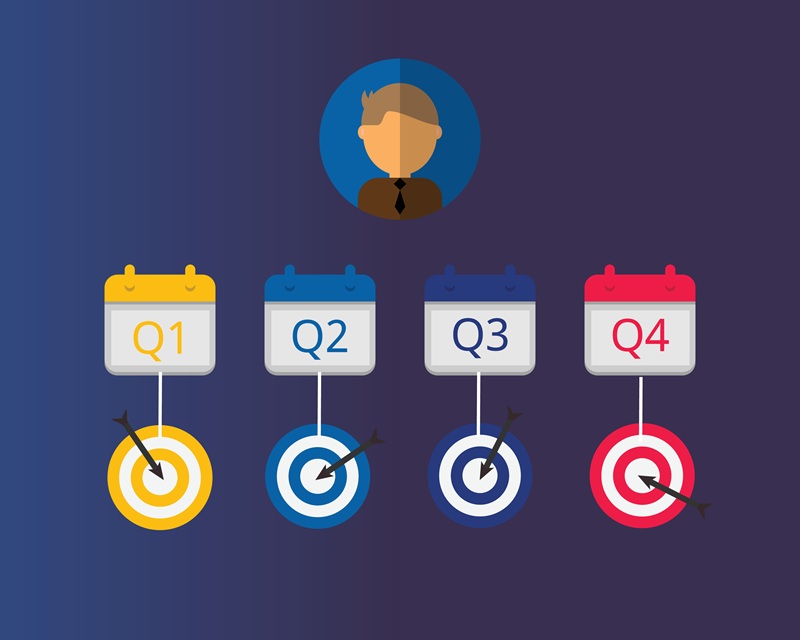
When you know these things, you can anchor them to a quarterly focus to make this a manageable achievement for you and your team. These quarterly targets are called OKRs.
This may seem a lot to take in, but here are two Business Breakthrough reports to help you make a start on establishing the core purpose of your firm and then setting quarterly objectives and measuring them to ensure you are on track.

Click the button below to discover more about the Accountants Growth Academy.
Remarkable Practice Client Manager Programme
You secure your firm’s future growth and profitability when your clients are loyal, recommend you more, buy additional services and are open to regular price increases.
And what drives all of that?
Not just technical quality. Not just deadlines met.
It’s the behaviour and mindset of your client managers.
When your client managers improve how they engage and care for clients, your firm’s results improve.
So the question is: Could you be doing more to build your client managers’ skills and mindset?
That’s exactly what our Client Manager Programme is designed to do.
It helps client managers:
- Build deeper client relationships
- Deliver value beyond the numbers
- Handle pricing conversations with confidence
- Spot and act on opportunities for additional services
Great client care is no longer a soft skill. It is a strategic advantage.
Click the button below to read more about our Remarkable Client Manager Programme and, if you want to discuss it further, please get in touch via the 'chat with us now' button on the website. You'll speak to a real person, not a bot!
Your Firm’s Future – by Douglas Aitken and Paul Shrimpling of Remarkable Practice

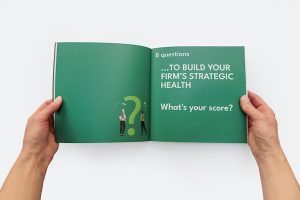

In a world of constant change, uncertainty, and increasing client expectations, one thing separates ambitious firms from the rest: strategic health.
In our book, Your Firm’s Future, we share a practical framework built around 8 essential questions that will help you assess and build your firm's strategic health.
Why does strategic health matter so much? Because when your firm is strategically healthy, it benefits your team, your clients, in fact, everyone connected with your firm.
Strategic health isn’t just an internal metric. It delivers a better outcome for everyone connected to your firm.
Click the button below to take the strategic health of your firm seriously by completing our Strategic Health Diagnostic
or
click the button below that to buy the book.