
What sort of work makes your eyes sparkle? And why am I asking that question? Listen in to this podcast with Philippa White of TIE Leadership, and you'll discover the things that she has learned in the 20 years she’s been running her business, especially in relation to the importance of that business being people-centric. Philippa quotes a 23% increase in profitability, and she shares the transformation that leaders can undertake in their own businesses. Scroll down this episode page for the contact information for Philippa and for the additional downloadable resources mentioned in the podcast. |
The Solution:
How can you communicate that, and how can you ensure that these individuals are part of a bigger entity?
And then, of course, it's really important to understand, even if it's an accounting firm, who are your key clients and what do they specialise in?
And who do you hire that understands that speciality?
And actually, if people don't know, then that's work that the owners of those companies need to do.
Go to a business coach and find out what your purpose is. Because it's important for them too. What is it that makes your eyes sparkle and gets you excited?
-
SHOW NOTES
-
TRANSCRIPT
-
CHAPTER MARKERS



Welcome And The Big Question
Paul Shrimpling 0:05
Welcome to the Humanize the Numbers podcast series. Leaders, managers, and owners of ambitious accounting firms sharing insights, successes, and issues that will challenge you and connect you and your firm to the ways and means of transforming your firm's results.
Philippa White 0:21
How can you communicate that and how can you ensure that these individuals are part of a bigger entity? And then, of course, it's really important to understand, you know, even if it's an accounting firm, there will be a, you know, who are your key clients and what do you specialize in? And who who do you hire that kind of understands that specialty? And actually, if people don't know, then that's work that the owners of those companies need to do. Go to a business coach and find out what your purpose is. Because it's important for them too, you know. If it what is it that makes your eyes sparkle and get you excited?
Doug Aitken 0:59
What makes your eyes sparkle? In this podcast with Philippa White, you'll hear how Philippa talks about the importance of having the right person in the right seat, doing things that give you juice, doing things that, in Philippa's own uh words, make her eyes sparkle. Let's go to that podcast now.
Philippa White 1:21
Hello, Doug. Thank you so much for having me. It's great to be here.
Doug Aitken 1:25
Great to see you, Philippa. Thanks so much for um not only being a guest, but being a recurring guest on the Humanize the Numbers.
Philippa White 1:33
Nothing better than being asked back. I mean, that shows it went quite well the first time. That's so well.
Doug Aitken 1:38
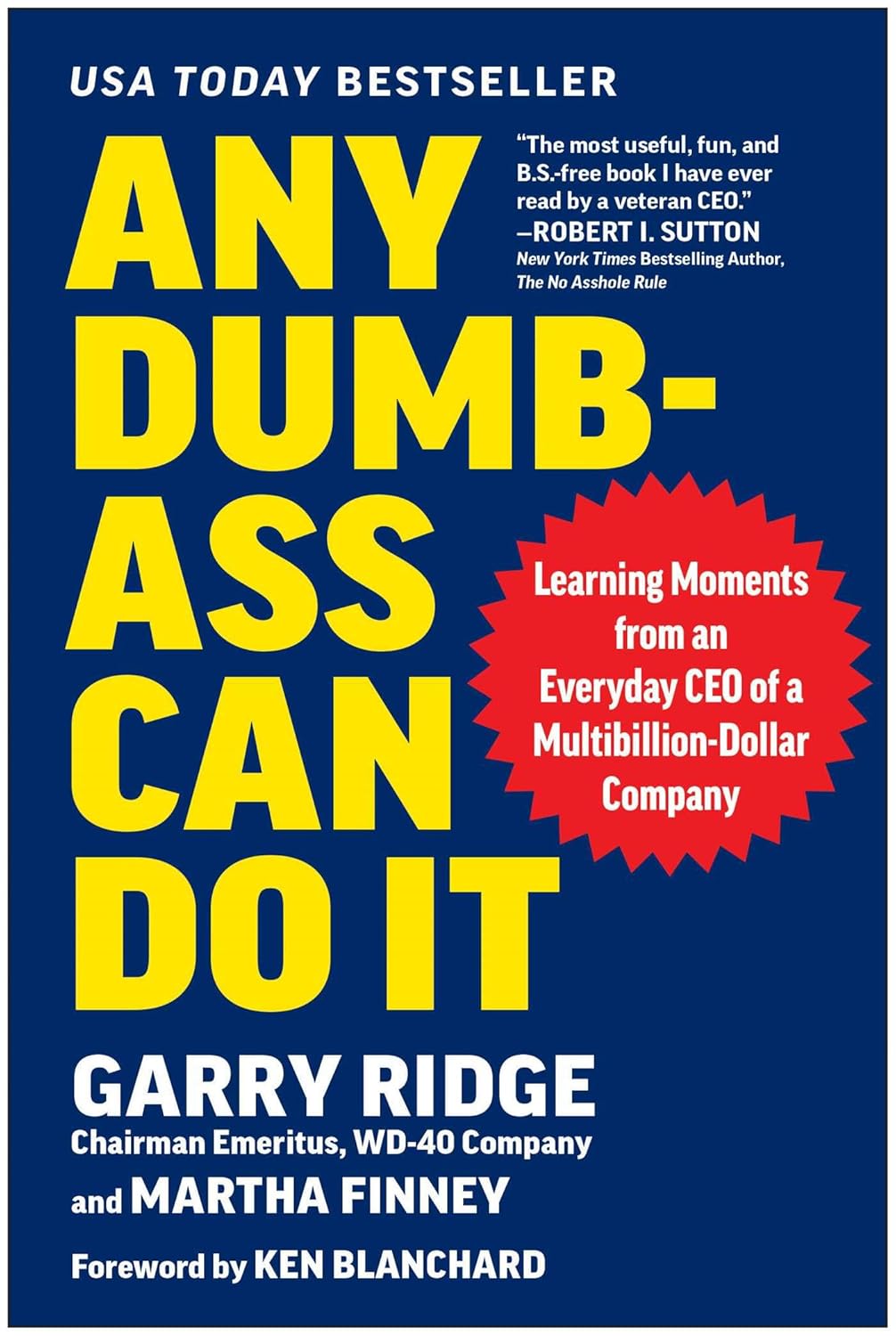
I must admit, there's there's a bit of fanboy about me because um if I I have written one book, but if I had written just one book, it would have been yours. Um because I love it. I find myself so many times reading it and go, oh my goodness, that's just so right. That's just so right. And I've got a habit of bending over the pages, the corner of the page where I think, oh, that that's really good. I think there's only three pages that I didn't turn the corner of the page. Oh my gosh, that's such an honor. And one of them was the index.
Philippa White 2:16
That's such that's so nice. Thank you.
Doug Aitken 2:19
Wow, so I made a point of saying yes, I'll I'll do the next one with Philippa and um and start digging into that. So uh yeah, it's a huge pleasure to have you on. Thank you for joining us. And and unless just for readers who might have missed what we said there, Philippa, amongst many other things, um is uh uh award-winning author uh of Return on Humanity, which, as you've already heard, my favourite business book and which we'll delve into, I'm sure, uh, over the course of the next 50 minutes or so. Um, so Philippa, just to get going, our I think part of the reason Return on Humanity chined with me so much is it almost in a way echoed our core purpose, which is humanize the numbers. Um, and I just wonder what what you get from that core purpose. What's your take on it? What what meaning do you get from it?
Philippa White 3:13
Well,
Why Profit Alone Breaks Work
Philippa White 3:14
as my book uh suggests, um obviously it's called Return on Humanity, and the whole I would say that uh God, I mean, there were a few moments where I had that kind of aha moment in my life, and I talk about many of them in my book. But I would say, in the sort of in relation to your question, um, one particular moment which you will remember from my book stands out, and I remember being in business school, and I remember sitting in the auditorium as we were uh, you know, studying, you know, listening to the professor and probably was some finance professor, who knows? But and it was really bizarre because I was I was young, I was doing a business degree, but I was young, so it was a while ago. I hadn't had tons of business experience. But it was when the professor said, What's the main goal of business? And then we all had to chant to make money. Yep. And that and it's really interesting because we're talking 2000, this was the year 2000. I graduated in 2001. So we're talking a long time ago. And again, I had not had significant business experience, but I'd had enough life experience to think, and it, you know, it really, it really um grated on me when we, you know, I didn't actually say it. I remember listening to everyone chant and being like, I'm not, I'm not doing this. This doesn't feel right. And the reason it didn't feel right now that I've sort of written my book and gone through the process of really examining what it is that business cannot be, is only focusing on the numbers.
Doug Aitken 5:10
Yeah.
Philippa White 5:11
And the thing is, is if if it's just about making money and not thinking about anything else, what does that actually mean? So if we actually think about what that actually means, it means that the people in the business aren't considered people, they're just there to make money. We don't think about them as humans. So, you know, they don't have families, they don't have lives, they they're, you know, life can't be flexible for them. Um, then, you know, we think about the purpose of the business, you know, what is the purpose of that business? Um, therefore, do we think about the purpose of the individuals who are working on the business? No, because it's just about making money. And then, and then, and then, you know, and you can see all of that kind of unraveling. And obviously, then I started digging into the numbers when I wrote the book and I started really trying to understand what this means. And then I started learning about, you know, people-centric companies, um, you know, people uh focused, um, more human. And you, when you see the numbers, it's quite extraordinary and they make sense. I mean, it's not, it's not like you see numbers and you think, okay, well, that doesn't really make sense. But that's interesting, it says that. I mean, you just think of yourself in these numbers. So you think, okay, so if a business is just focused on making a whole lot of money and doesn't think about the connection that that individual, the employee, would have in that company and doesn't think about connection and belonging and happiness. Well, what happens is if people aren't connected to the business and aren't happy and aren't feeling a sense of belonging, that costs businesses a lot of money. So, you know, people then are sick a lot, people um aren't sort of connected to whatever is they're doing. So they're literally just doing the bare minimum, and then they quit. And that costs businesses like $500 billion, uh US businesses, $500 billion a year, which was the Gallup study that I found. Then if you flip it around and you say, okay, so let's humanize these businesses. So let's let's create situations where actually our clients are the people. And let's see how we can make these environments worth being in. So let's ensure that the purpose of the business lines up to the purpose of the individual. Let's think about how we can make environments that people actually want to be in. Let's treat these people like human beings and recognize the fact that they have families and they need to work around, you know, life. Um, then suddenly, I mean, I I know myself, I suddenly feel, wow, okay, I I quite like these people. These people like me, I like them. Oh, actually, I quite like this work. This is really interesting. Oh, I might think about it while I'm having a shower or while I'm walking the dog. Or, you know, I'll I'll actually try a bit harder because actually I'm kind of interested to know what's gonna happen here. Oh, I don't, you know, I'm not feeling very well, but you know what? I'm I'm gonna work from home today because actually I'm so excited to find out what's gonna happen. And then and then you see that businesses become 23% more profitable. And so I think in life, when we're looking at numbers, of course, businesses have to make money, but that can't be the only objective of a business. And so, from the point of view of humanizing the numbers, I can only imagine, and this would be my take on it, is that yes, numbers are important, and of course we need to understand them. But at the same time, what is behind them? And what are we looking at? And what's the long-term plan for this business? And what are, you know, we can't just be looking at short-term, kind of doing everything possible to make as much money. It's like doing, you know, you're suddenly you're running a race, and let's say you're doing a marathon, and you suddenly start sprinting super fast in the first kind of half hour, you're gonna burn out, and it's just not gonna be a very sustainable way of having a business. Or you think long-term and you think about how to, you know, what is involved in making a sustainable, successful business, and that's putting the human touch on
The Numbers Behind Human-Centred Companies
Philippa White 9:22
it.
Doug Aitken 9:22
Fabulous. Yeah. Already tons of stuff to unpack in there, Philippa. One of the things I was interested in with the book was I I imagine you approached it from a perspective of being wired to the human side already. So I'm just interested in that research that you you obviously did. And was there ever a stage where you found research that was contradictory? Or that you thought, oh, that doesn't quite add up to my expectation. But but I'm curious, let's have a look anyway. Or was it simply a case of no matter where you looked, everything backed up what you thought?
Philippa White 10:53
Yeah, it's really interesting that question, actually. No one's ever asked me that. It it what was interesting, actually, because I I also have a podcast, and so I was interviewing a lot of people. So I interviewed a lot of people, and I also went and met with a lot of different people. There were different uh what's interesting is I remember talking to one of the individuals, and so much of what um, you know, he he runs a huge um law firm in uh in uh the UK. And he uh he actually is human-centric. But it's interesting, and so much of what he thinks is, you know, the importance of empowering uh people from around the business, not being hierarchical, giving people space. A lot of the thinking when I was sort of developing this, you know, he started talking about this, and I was like, Oh, that's really interesting. Okay. But when I said, so are you human-centric? Would you say that your focus is humans? And he's like, No, our focus is making money. And it was really interesting, actually, because even though so much of what he said was actually very human-centric, he couldn't quite bring himself to say that they're a human-centric business. They are, you know, very profit-led. So that for me was interesting because I think what that shows is that it's still considered soft, I think, if you talk about humanity and if you say, well, we put our people first. It suggests to perhaps stake other stakeholders that you don't care about the actual business. And that couldn't be further from the truth. But I think that that's interesting um how people perhaps are still worried, even though in so much what they do, they stand up, they really properly stand for this stuff, they still can't quite say, no, no, no, we're we're we're human-centered business, you know. Yeah, I think um so just one other one other question that just keeps coming up is when it comes to sort of the quarterly reviews, when it comes to, you know, um shareholders, and that problem, that challenge that businesses have when it comes to long-term versus short-term. Um and we do know that if you are considering stakeholders and if you're considering the environment, the community, you know, other people, you know, it if the focus isn't just 100% on making a whole lot of money, there are other things that you need to consider, and that in the short term could impact what a business might earn if they are focusing just in the short term. The thing is, is when I talk to, you know, Simon Rogerson, for example, who's the CEO of Octopus, Octopus Group. Um, I mean, he's incredible because when I ask him, you know, when I pushed back on that exact thing that I've just said, okay, but what about the shareholders? What, you know, he said, we're never going to become a traded company. Um, I do not uh agree with short-term running, you know, the way the way that people run businesses short-term. I don't believe in that. It has to be long-term. And if you focus, if you, you know, I'm in this for the long term. I believe in what we're doing. We are solving challenges that society faces. And in order to do that, we will do that in the best way possible. And that has to be long-term thinking. And therefore, you know, and so I and so I think yeah, it just depends on what your objectives are for a business, really, at the end of the day.
Doug Aitken 14:45
Yeah, yeah. It it still amazes me as well, the short-term focus of so many businesses. And yet, as you've
Purpose That People Can Feel
Doug Aitken 14:52
highlighted, the cost of getting your people wrong. Um, I mean, we do some strategic work with accounting firms, and we went through a spell of working with firms, um, helping them find their core purpose, helping helping them articulate uh values and behaviours that they would hold dear, uh articulating a five-year vision, and suddenly you know it was almost like you'd built a framework in which you could drop people and say, Have a load of fun in there. Yeah. Because you know why we exist, you know what we're trying to achieve, and you know how to behave. So have fun within those those guidelines. And so many uh I I'll talk about accountsy firms because it's all that we work with, but so many don't have these guidelines in place, and I I find that quite I I'm always curious about that because their their employees must be working in a bit of a vacuum. Yeah, they don't know the core purpose of the business and not really sure where it's going. So they must just be thinking, well, I presume we're just here to make money. Does that resonate at all?
Philippa White 16:00
Or um Well, I mean, I just as you're talking, I'm uh I'm actually just even thinking of my business. Um because you know, one thing, you know, we have so many different projects with different clients. And um one of our clients is Arla, which is uh Scandinavian um business, uh works in dairy. And you know, we've just we we're doing such exciting work with them, such exciting work. It's really amazing. And I have very uh various different people who are involved in different stages of the work that we do. And so there are a couple of people who step in at different parts of the work, but they don't necessarily get to see the beginning to the end. And they also don't have as much um as many conversations with the client as I do. And so I'll, you know, I'll have a chat, a chat with the client, and you know, we'll we'll get an understanding as to the next stage. Um, and I, you know, and I, you know, it's so clear what our purpose is, and I'm constantly updating the team on things to ensure that they understand, even though they're not going to be getting involved perhaps until the next time we do one of these kind of cohort things that we're doing. Um, but they still need to know sort of where we got to and what's happening. And, you know, I'll often send little, we have a team WhatsApp group. And so I'll, you know, after a message with the client and I send a message and I just say, oh my God, guys, okay, so this is the update. This is what's happened. And I just think, you know, even though because they're contract workers, so they have a number of different clients that they'll be were these two individuals that I'm thinking of. So they're not always thinking of um of tie. But it's so important for people to get excited and to be, you know, thinking about what it is that they're um involved with and that that purpose that you talked about, and sort of to feel part of something and to actually know. And also, I think just after a session, and we do a lot of monitoring and evaluation, so we get a lot of that anyway, and so they would see that, but we also have the qualitative kind of conversations with a client or with someone else who says, God, that session was so good. I, you know, I really enjoyed that. And I'll pass that on to them so that they know because that's the thing, that just gets people more excited. I mean, that that just and then it makes them feel a feel like again, like they're part of something. And I just think if people are just doing a job, you know, as an accountant, for example, you know, I'm an accountant, so you it's it's you could create a very object, uh sort of that person has an object to do, like the objective to do. So it's a very objective kind of relationship. Okay, do that, then you're finished, then you can go home. It's really hard to connect to that. And if you create something that people become a part of something and can see, even if they're only doing something as part of a bigger thing, but how can you communicate that and how can you ensure that these individuals are part of a bigger um entity? And then of course it's really important to understand, you know, even if it's an accounting firm, there will be a, you know, who are your key clients and what do you specialize in? And who who do you hire that kind of understands that specialty? And um, and actually, if people don't know, then that's work that the owners of those companies need to do. Go to a business coach and find out what your purpose is because it's important for them too, you know. If it what what is it that makes your eyes sparkle and get you excited? And yeah, and I think that um people gravitate to that and they feel a part of that.
Doug Aitken 19:57
Please forgive this interruption to the podcast. You've heard Philippa White talking about the importance of building a connection to core purpose, to your core purpose. You'll find a link in the show notes to a business breakthrough that will tell you more about that very subject. Let's get back to the podcast. Yeah, it's you've made me think, I mean, that that is the type of work we do with firms. And I'll I personally love that type of work because it's like the scales are lifted from their eyes. They too often accountants think about the products that they provide and not the outcome of what they do with those products. So it was really interesting. We had a a a live example of it maybe about a year ago, where one of our teams so happened that her brother was a client of one of our accountants and he ran a garage and he be he was really under the cush, working seven days a week, never saw his kids or the rest of the family, um, until the accountant sat down with them and said, I'm gonna give you more information every three months, I'm gonna sit down with you every three months and explain it, and I'm gonna make sure that you get this level of support because you need it. You're digging yourself an early grave effectively. Um So what happened when we when we got the accountant to tell this story? He said, Um, I just sat with a client and gave them quarterly management accounts. From the client side, he told his sister, um that guy changed my life. He changed my life. He's given him my weekends back, he's he's meant I can come up and see you, and I understand the numbers, it's changed my life. I mean, who wouldn't want to be part of that? It's fabulous. Um you mentioned the word um belonging quite early on, Philip, and I wanted to delve into that because I
Belonging, Connection And Mattering
Doug Aitken 21:52
feel as though you've kind of touched on it a couple of times already as well. When people why do people need to feel belonging? It's something that Gary Ridge writes a lot about in his um uh book about WD 40, talking about tribe and and it was when he m used that tribe word that made me think, ah, that's the belonging part, because everyone in a tribe has a role. And sometimes and you made me think about it when you were talking about the impact that our um working with clients can have, because the storytellers were venerated in the tribe. You know, they told stories of massive bison hunts and whatever it might be. Um whereas these days we want our firms to tell stories about how they've helped clients. And and so that we get that connection with the core purpose. And you know, w one of our firms uh came up with um making lives better and I just went. That's lovely. We would not want to make lives better. But suddenly you've got a connection with every person in the firm able to say, ah, this is why we're doing it, because it's going to make lives better, either for the client, for myself, for the community that we serve, or or for the owners of the business. It's just this is going to make lives better. So I'll do it. Does any of that make sense or or resonate with you?
Philippa White 23:19
Well, one, just it's interesting because I think there's a lot of companies that sort of have those statements. I think just to be very clear to your listeners, having those statements is one thing, living it is another, right? And so it's so important to, you know, you you come up with whatever your purpose, you know, belief statement, whatever might be, but uh, you know, it really does need to be something that you live, and then that kind of lives through so much of what you do, and then people obviously do feel like they're they're connected to that. I think just as far as you know belonging, um it's a it's a really fascinating one. I I think about this all the time, actually. Uh um, you know, when you think of flying in an airplane, now you are in a very closed environment with over 200 people, um, very close quarters, but you're actually incredibly invisible. I mean, I you unless something happens or someone talks to you, or there's some, you're you're very invisible. You're you're sort of coexisting in this space with a whole lot of strangers, and there's nothing that connects you other than the trip to the next place, and you will never see those people again. And as a result, it's just a very sort of invisible experience, even though you're incredibly visible. And then you think about being in an elevator, and then that elevator, and you're with five people, and you're still pretty invisible. But then the elevator stops and the doors don't open, and you're in that elevator for maybe five minutes with these people, and you're like, oh my God, what's about to happen? And then something happens, and then but suddenly you've you're a group, and suddenly you've sort of created sort of a connection with people. And it's a really interesting thing that because if you if you were in that elevator long enough with those individuals and something did happen, and you really, you know, suddenly you're talking, and then suddenly you realize that they have a child the same age as you, and then or a child the same age as your child, and then you sort of realize that you actually interestingly, I was at a um doctor's place, and there was this woman, because I'm I'm very tall, I'm six, I'm almost six foot one. And uh, and there was, and I'm in Brazil, in the northeast of Brazil, where people are actually quite short, so I stand out like a sore thumb. And I was at this, I was waiting for an elevator, and there was this um woman who was taller than me. And actually, what was interesting is she looked quite almost indigenous. So she was she she she was darker than I was. And I was like, God, I have not, you know, so I was aware of her and she was aware of me, but neither of us said anything to each other because it was a bit weird and you just don't say anything. But then, um, and I can't remember for the life of me what happened. Ah, that was it. We got into an elevator. That was it. So we got into the elevator, and we were tower, the two of us were towering over everybody else who was in that elevator. So obviously everyone else was like, oh my God, what was in you know the water for you guys when you grow up? You know, someone made a comment. And then that opened up the door for me to say something to her because I was dying to know, like, I was like, God, where's your family from? Because my family's Dutch, like their upper comments, so Dutch. And so that kind of makes sense because actually everyone, when you go to Holland, for example, looks exactly like me. Everyone's as tall like me. And so, and so where I'm getting to with this was then I had this conversation, and suddenly, sort of, we were sharing stories about just what it's like being tall. And suddenly this sort of similar world opened up, which was this really lovely feeling. And the two of us had this sort of sense of connection and sort of this belonging into this sort of tall world. And I just think all of us are, all of us love that feeling of belonging and connection. All of us. So you think of, you know, when you when you meet up with friends that you haven't seen in a while, and it's sort of that people want to see you, you feel loved, and and you love seeing them, and they enjoy that too. We're all searching for that. And it's something that it's actually really hard. Back to the airplane example. It's actually very hard. You have to create those moments where people feel a connection. Something has to happen. It doesn't just happen by accident. So people need to find that commonality. People need to find that something that connects you in some way. And actually, there's more common humanity that people have than you would even imagine. Like I was talking to a woman on this podcast, she lives in Iraq. She grew up in northern Iraq. I grew up in Winnipeg, Manitoba, Canada, and I live in Brazil. I mean, we couldn't, I've never met her in person, but we were having this podcast conversation and it was electric. It was so incredible. And at the end of the conversation, I then sent her um, or she sent me a message on WhatsApp because she wanted to have my number. And she sent the message at 1111, and I've got this thing with 1111. And I said to her, Oh my God, you sent it to me at 1111. That's so funny. I've got this thing with 1111. And she then said, Oh my God, me too. It's the energy. And I said, Oh my God, that's so crazy. And we totally connected over that call, but also over that thing of 1111. She will never forget it. I will never forget it. She lives in Iraq. So the thing is, everybody has a connection with, you know, there's always going to be something, but you have to create it. And back to businesses, you don't want to have that situation of an airplane. It cannot be just a holding place for people to be, even if it's virtual, because now so many people are virtually working. So that's made the situation so much worse. So people are, you know, they're just doing a job and they're just kind of doing that job and then going home. It can't be that. They have to feel a part of something. You have to create those connections with other people around the business. Not, they're not going to be friends with everybody, but at least there has to be a handful of people that people feel that they belong. And if they feel that they belong, then working with the, you know, the purpose messaging is absolutely crucial because then individuals understand, okay, what is my skill? What am I good at? How does that then connect to whatever that purpose of the business is? Um, and then you can start to create that cohesion. I mean, that's a big part of what our work is. I mean, that's what I do with businesses. That's what we're doing with Arla. It's sort of they, you know, it's a big company, there's a lot of divisions. And, you know, with my other clients, the ad agencies in London, it's very easy for people to just kind of go through work and life, just sort of doing the jobs. And but you actually, the more that people collaborate and the more that people come together, the more successful your business will be, because that's how you come up with new ideas, that's how you get different minds coming together, solving problems. But people have to want to do that. And you cannot just say, pick up the phone, call people in the other division. They won't do it unless they have connections with those people, unless they want, they they feel that they can. People don't even do that anymore. People don't pick, you know, they'll send an email, the person doesn't respond. Ah, they didn't respond, so I'm just not gonna, you know, it's it's we we have to really actively create that collab or that that cohesion and that sense of belonging. And then once they have that, then it's so much easier to just bring people together and have people work together in better collaborative ways.
Doug Aitken 31:13
Yeah. I saw I read a um lovely article in Harvard Business Review recently talking about um seeing people at work, but did you notice them? Or hearing people at work, but did you re sorry listening to people at work, but did you really hear them? Yeah. And and it was all about the power of mattering. The the people people need to feel as though they matter, and it's a I guess a kind of extension of belonging almost. They need to know that value. Yeah. Yeah. Yeah. Yeah. I love the you you said about Gallup um earlier on, we're huge fans of the the Gallup Q12 survey. We use it a lot in what we do with accountants, and I love the definitions um that Gallup gives. So someone who's engaged behaves as a business owner, they go above and beyond regularly, you know, that that excitement and curiosity you mentioned earlier. But I think the one that the ones that really got me were someone who's not engaged is just transacting with you, they're giving their time in return for a salary, but it's nine to five, and that's it. And that's fine, by the way. Um, you know, there's plenty of people in that category, um, potentially, but you've also got this other category of um uh actively disengaged, and these people are the way that Gallup terms it, they're so frustrated that they're acting out their frustration in the workplace. What what sort of things uh do you think causes that frustration, Philippa? What have you seen
Resilience Without Exploiting People
Doug Aitken 32:54
in organizations that makes people behave that way?
Philippa White 32:59
Yeah, that's a really good question. Because my next book, well, I haven't written it yet, but I know what it's gonna be kind of focused on. Um, because return on humanity was obviously more broad, but I'm really wanting to focus on resilience. But resilience is an interesting one because what some people might think resilience is, which it is not, um, in my view, uh, which is let's just put as much pressure as we possibly can on these individuals. And they, you know, they just need to suck it up, you know. Life is hard and we've, you know, we've got a lot to do, and you know, long hours um is just part of you know work. And uh, and you know, people just need to work harder um and and suck it up, basically. Like that's pressure, work is pressure, and and you know, just keep keep going under this kind of pressure. And the thing is, is people businesses are um having these kind of expectations and calling it, you know, the response to that needs to be better resilience. Now that's not what I think resilience is. Resilience is a world that is, and I mean, and this is the thing. I mean, there's there's a lot of ways in, but what my kind of overall thinking is the world is changing um at an extraordinary pace, and it's kind of feeling like the the ground from beneath you is it's is just moving and it's understanding how to keep going and to sort of be able to respond to that um uh you know, in a in a number of different ways. I think the pressure that businesses are putting people under and call, you know, expecting them to be resilient. Um it kind of comes back to that thinking of do people remember, do businesses remember that these are human beings that have you know doctors' appointments or that have um families um that have a a kid that needs to get picked up at five o'clock from school, um you know, women who are having to juggle a tremendous amount and businesses not recognizing that. And I think if if people if businesses don't see people as people understanding that you know they are human beings with real needs, that's if if that is not recognized, what happens is exactly what you've just uh described. There's resentment, there's um anger, uh you know, enough times of having Johnny waiting at school for an extra hour, hour and a half, and him crying when you know the parent picks them up. Um, and because it's because you know work didn't understand, that can only happen a couple times. Because after that, then people start getting really angry, actually.
Doug Aitken 36:15
Yeah.
Philippa White 36:16
Um, and I just think, you know, but at the same time, you know, I run a business. I've been running my business for 20 years. So I also expect, you know, I expect a lot. But the thing is, is I expect, you know, it just needs to be very clear as to what, you know, the hours are. Um, okay, there might be times that people have to work over, but you you have to understand that there has to be, you know, there communication and um and just kindness. And so I think you just you need to just treat people like human beings and understand. And so yeah, I just the world has changed. I mean, when you think back to the industrial revolution and and how life was when it wasn't so connected and when it was just sort of it was more focused on sort of you had somebody running a business and then you had people sort of clocking in, clocking out. Um it worked then, one, because people didn't recognize the power that they actually did have, also the world, you know, isn't as can wasn't as connected, it was very regional. Now it's just it's a completely different landscape. It's a just it's a totally different world, and we need to respond in that way. People will not put up with you know people who are taking advantage of them. Um, people need to know that they are considered human beings. Um and, you know, with social media and with you know the connectivity that we have now. I mean, uh people know and you know, knowledge is power.
Doug Aitken 38:01
So what pushback do you get from leaders about the the power of
Why Good Technicians Fail As Managers
Doug Aitken 38:08
harnessing the team properly? The the reason I'm asking is that um I get pushback from leaders of accountancy firms saying um, well, this people-centric approach it sounds a bit soft and fluffy, and I don't have time to, for example, do a 15-minute one-to-one with each of my direct reportees every week. That's lost productivity. Um, oh yeah, this is um you know, this is one of one basic one-on-one stuff. Um, but also the and it may just it may be a slight peculiarity of accounting, but I'll I'll come back to that in a moment, Philippa. Um, why is it we're so bad at training people to manage people or recognizing um the need for people to be managed properly? The reason I ask that is you know, in nursing we promote the best nurses, but suddenly they become admin people. They're pushing paper and they're taken away from the patient care they were excellent at. In accounting, it's very similar. We promote the best technicians as a reward, but suddenly they find themselves managing people and they're not good at it, they don't enjoy it as much. Um so they feel a bit stuck and they they become disengaged. Why does that happen, do you think? Why is management such a mystery to leaders? People management.
Philippa White 39:46
Well, I mean, there's a there's a few different things that you've sort of asked, um, but the last question I think it it's really interesting. I don't know the question is why are people bad at people managing? I don't think uh I'm not gonna answer that question because I don't think that that's the answer you're looking for. I think what we're talking about back to the purpose of the business and back to individual purpose, what people want and what they're good at. One of the tricks really is understanding truly what makes you tick, what makes you happy, what are you good at? Many people go down a route that they think that they should go down, or that their parents think that they should have gone down, or the business thinks that they should go down, or their university thought that they should go down, and actually they haven't really stopped to reflect and to really focus, like to gain that self-awareness, to understand what is it that makes you happy, what are you good at, and what what makes yeah, like what would make you thrive in a role? Interestingly, many times, as you say, sort of as people go through their career and the more senior you become, um yes, it tends to be that that individual might then become the you know the manager of a whole lot of people. But that person, like they really every so often in someone's career, you have to continue reflecting and understand are you living your life intentionally? And are you uh in the place that makes sense for you? So I don't know if the question is why are people bad at managing? Some people are very bad at managing and they're actually very unhappy in that role. Yeah, then they should not be in that role because actually it's not because they're a horrible person. It's the total opposite. It's like you just literally you don't know what makes you tick. And actually, if you're not happy, you will make everyone around you really unhappy. And it's just that's just normal, right? If you're not a very happy person, if you're in an environment doing a job that really doesn't speak to your skills, you're constantly feeling, you know, there's so much insecurity there. As a result, insecurity turns into sort of an aggression. Um, it turns into um, you know, insecurities and defensiveness and short tempers. And I mean, that's not the most psychologically safe environment for someone to be working in. And then you just think, how does that then impact so many other people on that team? The trick, I think, is really understanding what it is that you want. And if you find that you are one of those people that is just getting to work unhappy, the people around you are not happy, you really need to think like, are you in the right role? And then it's and and many times, you know, it's not about quitting the job. I mean, maybe or like quitting the company, I mean. It's you know, having a conversation with your line manager or with the owner of the company or whatever it is, and then just understanding what you could do that isn't that, and that really speaks to your skills. But I think that that's the thing. I mean, that's where, again, so much of our work is we have a in my book, I talk about the sort of three pillars of um of um, you know, really understanding kind of a more human environment. And the three pillars are one is self-awareness. So people have to have that self-awareness. They really need to understand what it is that makes them tick, all the stuff that I just said. The next is interdependence. So again, it's that it's really truly understanding that in order to make decisions, in order to be able to drive a business forward, in order to be curious, in order to be creative, in order to be able to, you know, we need to bring in other voices from around the business. We need to understand the power of cross-disciplinary thinking. And we need to collaborate, and we need people to realize that I cannot make a decision in a vacuum. I need other people. And then the third pillar is interconnectedness. So, sort of the ripple effects of a decision made in one place can really impact people in another place, for good or for bad. And many times people we just get so siloed and we get so blinkered, and we we don't kind of recognize the impact that our um, you know, our actions and our decisions can make in other parts of the business.
Doug Aitken 44:32
Um you're right, it was a clunky question, and I did have about three or four different themes.
Philippa White 44:37
Yes, so I I answered the last one and I didn't even completely answer that one.
Doug Aitken 44:40
You did, you did well. That's okay. Um I'm interested in this part as well. I think you you described the book at some point, at one point, as a blueprint for a new era of leadership.
Practical Moves Leaders Can Try
Doug Aitken 44:52
Um What are the two or three things that that a blueprint might look like in practice? And I'm thinking of um things that a leader could actually do differently on a Monday morning.
Philippa White 45:07
That's a really nice question as well. Um well I do back to your other question that I didn't answer, but I you know, I I think you were saying your accountants um, you know, every week 15 minutes with every single um one of my employees. I mean, whatever is done has to be doable. I mean, at the end of the day, and and what cannot, what people can't think is, oh my God, well now I just now you know I'm not gonna be able to get to home to be with my family because I'm gonna be spending all this time on. Well, that's obviously not how this works. So clearly that can't be, it's it's not sustainable. I I don't have catch-ups for sort of 20 minutes with every single person on my team at, you know, at the beginning of every week. I mean, but you know, yes, check-ins are important. How can you delegate that? So are there other people that can have check-ins? Um, understanding how people are, um, having sort of um a transparent communication and and um a connection with the people, you know. Having, you know, I think of the clients that we work with and um what what we are doing actually, um, as far as having people collaborate so much more and you know, come together before so many of the clients that I've worked with have been incredibly siloed, haven't really connected with one another. But the more that you help people understand, okay, you know, just try, just you know, in a meeting, um ask, ask a, you know, ask a question rather than giving your opinion. Um, hold the space just a little bit longer. Giving space is so powerful. Space for you to think, but space for others to fill. So in a meeting, rather than as the leader going in and just saying everything that's gonna happen, open it up. Have a meeting, ask for opinions, see what other people have to say. Don't fill that space. If people aren't talking, hold it, hold it for an extra two minutes. Hold it, see what comes out. I think it's you know, asking questions back to what you said with the article, you know, listen, but are you listening? Um, you know, before every meeting, just we did an exercise recently for one of our um for one of our clients. Uh we called it the doorway exercise. Every interaction is a doorway. And it's interesting because how we respond to that doorway also depends on our um personal leadership style. So we work with these archetypes. So you can be a healer, you can be a visionary, you can be a warrior, or you can be an analyst. Now, if you think of a doorway and any kind of interaction, I'm a warrior. So I'm a little bit like a bull in a china shop. So I am a little bit kind of okay, great, you know, this is I'll open the door. I do not need anyone to open that door for me. I will open it and I'm like right through the door. But that attitude sometimes, I mean, there are people that they will never open that door. And actually, they need me to open that door for them. If I don't open that door for them, they will never speak. And it's not because they have nothing to offer, it's because they might be more of a healer and they're actually a little bit more concerned about the feelings of other people. They don't want to open the door because they don't want to be too pushy and they don't want to be, and so, you know, analysts as well, they they they they might not open the door, they need to wait to actually know exactly what's on the other side of that door. So us understanding these different dynamics are so important because what are we doing in these interactions? Are we holding the door open for somebody? Are we maybe shutting the door on them by not giving them space to talk? Are we are we opening the door way too early instead of just like being the only one who's going through that door? And I think if we really stop and just really reflect on that doorway exercise and just think in these interactions, in our meetings, am I closing the door? Am I opening the door? How can I open the door? How can I give space? Those are those are game-changing if you really properly just think about how to do that in every interaction with people that you work with.
Doug Aitken 49:28
Yeah, I really like that. Um it's a powerful analogy, the doorways. And it makes sense, of course. You think about the people on your team. Um, there are those definitely that just won't open a door ever.
Philippa White 49:41
But then you And it's not because they have nothing to say, you have to hear them. And actually, many times, I mean, with the programs, some of the programs that we do, people need have, you know, you can apply or you can be chosen. And it's interesting because for a long time people only applied. But when people apply for something, they're the you know, they're the people who are outgoing and they're the people who sort of, oh, I'll I'll probably get it. And they're confident. The people who have been hand-picked and then have gone on these programs, they are some of the most extraordinary people. And, you know, when they've gone on many of the pro, you know, I I use sort of a bud as an example, you know, a bud of a flower. And they're sort of this strategist who's just sort of sitting there typing away in sort of this quiet, kind of not quite, you know, the they haven't flowered yet. And then they go on this program, and it's just like suddenly they became this like incredible flower. They just bloomed and they just came out of themselves, and they've even said that themselves.
Doug Aitken 50:39
So yeah. It's funny, I was actually going to ask a question around that. Um, you know, have you could you share a specific
Vulnerability That Changes Leadership
Doug Aitken 50:46
moment where a leader maybe arrived as one person but they left almost as someone else or uh or really came out of themselves?
Philippa White 50:56
Yeah, it happens all the time. All the time. Literally, and when back to purpose and you know, loving what you do. I mean, I've been doing this 20 years, and I have to say it is so gratifying because that I mean, I'm it's extraordinary. I have teams of people, you know, even I I was in Denmark just um a few weeks ago because I we were uh running a session and we had just done the first module of something with and we're doing it with kind of a hundred people around the business, uh 70, 80 people around the business. Uh part of the this particular team actually. And uh and so I I don't I see people on the screens, but obviously I don't get to sort of chat to them. Um but we're sort of running these sessions and uh and we get them sort of working with each other around the business, and we have a number of ways that we do that. And I was I showed up in Denmark, and um and this woman came up to me and she said, Oh my god, it's so amazing! Like I I've been wanting to find ways of connecting with other people around the business because it there's there's about seven or eight divisions that they're all part of. So there's and so, but they they haven't just it's been really hard for them to find the reason to connect with one another. And she said, Oh my goodness, it's just it's just amazing. I like suddenly I'm able to to connect with other people around the business, and and I've got friends, like I've got new friends, you know. But from the point of view of the leadership, and just I think, you know, I've got so many examples, but one um on one of these cohort experiences that we have, you know, I had a really senior person, super senior, super senior. And for some reason he felt that he needed to lead the team and he needed to sort of have all the answers and know everything. But he was working with this in this organization in Brazil, um, because we we some of our experiences we partner with um social initiatives around the world. So we had a group of people, six people, and they were finding a solution to this challenge that was faced with this organization in Brazil. And this individual was trying to find, was trying to lead this team, and he was trying to find the insight to you know whatever the challenge was. And he called me almost crying. I mean, I did he, I don't think he cried, but he was almost crying and he was putting so much pressure on himself. And first of all, I was like, first of all, I I'm not sure I understand. You're you don't need to run this. This is the whole idea is that everyone's doing this together. Um, also, have you spoken to the organization? I mean, have you had the vulnerability to say, I don't know. Can we have some more conversations? He said, No, no, no, I feel like we need to come to them with sort of insights first. I said, That's bonkers. That's impossible, actually. You have to say that you don't know. You have to do it, and you have to have some more conversations. And it was really interesting because I think many times the more senior you become, you sort of have this feeling that you have to have all the answers and you have to, you have to have this persona of being kind of the know-all person. And I it was extraordinary because again, these competencies, these human competencies, I call them, um you you can't read it in a, you know, you can't read be more empathetic or understand the power of vulnerability. It's only when you feel it and you understand, oh my God, I'm actually my worst, like I am creating a problem here because I am behaving like this. And it was just amazing because it was almost, you know, if you think of the analogy of someone riding a bicycle, and then you take off the training wheels and suddenly it was like I just needed to get the, you know, we took off the training wheels, had the conversation about vulnerability, saying that you don't know, pick up the phone, call, do that. After that, I didn't hear from him again. And at the end, when we had the whole kind of final presentation and everything, and he just said his alert, he said, I now understand what the power of vulnerability is. And I now understand that I need to, I need to reach out, I need to get in new voices, I need to hear, you know what? I I think I need to bring this into my work. I realize that I am not doing that enough in my own work. And it was just this realization. But the thing is, is people have to go through that to then understand it. And I I I truly believe moving forward, he will never be the same again. I mean, he will he will always remember that.
Doug Aitken 55:28
Yeah, yeah. That's it's one thing saying to people, you know, it's okay to be vulnerable, but unless you model that behavior as a leader, you're just not going to experience it, are you?
Philippa White 55:39
Yeah. And that's the thing, like it is impossible for I mean, I I find it amazing. I've actually just hired somebody new, and she's she's so green. I mean, she's really new into the workforce. She's she but she is extraordinary. And her, you know, she sees things in a completely different way. Yes, I've been doing, I've been in the workforce. I'm 48 years old. I've been in the workforce a long time. I've been running my business for over 20 years. She's brand new into the workforce. But she has like, she has ideas that I would, you know, I'm like, God, that's such a good idea. Okay, I think we should do that, you know. And so not with everything. And of course, when it comes to people management, all that kind of stuff, that's where sort of other people have more experience, but you have to open up that space for people to offer ideas because you'd be really surprised how how often. But yeah, you need to, you need to be strong enough. And that's why this sort of whole thing of you know, this humanity thing feels really sort of woolly and a bit soft skills. It is a strength to be strong enough to be vulnerable, you will uh turn your business around if you are able to hold that and have the confidence to do that, you know. Yeah, it's very powerful.
Doug Aitken 57:00
Fab. Um just in closing, um Philip, um I want to go back to something that I did touch
Boundaries That Create Safety
Doug Aitken 57:07
on before when I threw about 40 questions to you at the same time. Um but what's the what's the most common pushback you get from leaders about being a people-centric business? For example, I get pushback from accountancy firms saying, Oh, that means that the team have to get their way all the time. And I say categorically, not uh absolutely not. It's not about that at all. In fact, it's arguably it's saying to them things like, I love you enough that I'm gonna have an honest conversation with you about how you're performing because I care about you. It's that sort of thing. But how would you deal with that sort of pushback?
Philippa White 57:49
Yeah, it's so interesting. And I, you know, it's not even leaders, as in um, I don't hear it from that. I would I would say it's yeah from the yeah, from the point of view of if you say that you are human-centric, and if you say that you, you know, uh you do things in a more human way, um the the concern is that yes, people feel that then they can just steamroll you, that you're a pushover, that you know, that you just need to be nice all the time. Um yeah, that that couldn't be further from the truth. And I I think of one of my mentors, Jeremy Bullmore, and he's since passed. He was one of the most extraordinary leaders. He believed in human-centric. He was an advisor for Martin Sorrel for WPP for a really long time. But Jeremy was tough. And he was a very, he limit, you knew where you stood, and it was, you know, there were limits. And and I think of how I parent, you know. I, you know, I have an incredible relationship with my 11 and 15-year-old. Incredible. I mean, I everyone keeps telling me that teenage years are terrible, and I have to say I haven't seen that yet. Like my relationship with my children are, but they know exactly, you know, they know what they can and can't do. And if they do something that I'm not happy with, they will know. And I will say, I'm really disappointed. That's not actually how things work. And also, sort of, you said that you would deliver this by this time. Why is that not here? Sorry, I don't, that's not good enough. Um, I need that, you know. And the thing is, is I think what's really, really important, it's limits, and you need to people need to know where they stand. And like you say, if people feel loved and supported, but then if you if they don't do something the way that it needs to be done, and you you absolutely need to say it. So I mean, back to my children. If I'm not happy with something, they will know. I'll say, okay, that's that's not cool. That's and I I do not want to see that again. Do not treat your sister like that or whatever it is. So it's sort of, but it's I'm not, I remember my mom always saying, you know, I am not your friend, I am your mother. And I think it's, you know, I love you, but I'm not, I'm not sort of gonna treat you sort of, and it's it's kind of the same. I want to create a friendly and and loving environment. And I am friendly, obviously, but I I think it's just really, really important that the the boundaries and the limits and the expectations and everything's just very clear. And and that's what creates the psychological safety because I think what is really important, people need to feel safe. They need to feel that they know where they stand. There can't be sort of mind games and sort of, oh, have I, is she gonna be angry or is she gonna be no? I mean, the thing is, is it needs to be really clear. Okay, are you gonna deliver this by this day? Wonderful. Is that gonna come through? Okay, great. Do you have enough time to do that? Do you think Thursday is okay? You do? Amazing. Okay, I'm planning for Thursday then. If it doesn't come, why didn't it come? But some, you know, and and it's understanding, but I think, yeah, and it's not being a pushover. I am not a pushover, but I do believe in human-centric environments.
Doug Aitken 1:01:04
Yeah. There's a reason that question one of Gallup is I know what's expected of me at work. Isn't that there's such a lot wrapped up in that one statement. I think it's it's brilliant, but it talks to exactly what you've said there. Just expectations are crystal clear, you know how you're expected to operate, what's if it's a project, what are the deadlines, you've had input to it, probably. But there's such clarity there and also accountability. If it's not delivered, then let's you know we're gonna have a conversation. And and that what I find in turn is that that breeds self-accountability in the individual because they know you're gonna have a chat with them, they'll then come prepared. I'm sorry, I'm mucked up. This this happened, um, but here's what I'm gonna do the next thing so that it doesn't happen again. And your job suddenly becomes great, well done. Well, if you need any help, let me know. Right? Yeah, exactly. And I and I just environment totally different.
Philippa White 1:02:02
And the thing is, is uh because again, we're all human, so you know, I'm a bit of a stickler with attention to detail. So I, you know, things come through, you know, I look at it, and there's some things that we do regularly, you know, sort of newsletters or you know, a podcast is going out or whatever it might be. And so it's just sort of reading through. And if something hasn't been done in the right way, again, it's kind of okay, that's not right. Can you please remember that for next time? Just make a note, keep a note, and then next time you'll know. If it comes back wrong the next time, then that's when it's sort of like, okay, that can happen. And then, I mean, obviously, if it keeps coming back wrong, then the problem is that person's not paying attention. But that shouldn't, you know, there's no reason why that should happen. As long as you explain and you explain how this needs to be done, okay, what can we do to ensure that that doesn't happen again? Perfect. Okay, great. Next time it'll be perfect. Great, thank you. Yeah, I mean, and then that's what happens.
Doug Aitken 1:02:59
Yeah, yeah, absolutely. Um, Philip, our time is beating us uh again. However, it does leave the door open to have another chat in due course. So I reserve the right to call on you again.
Philippa White 1:03:15
Well, I mean, this is it is so gratifying for me to have conversations with people that also live and breathe this area because it I love I love the question around the, you know, people think that you're a pushover and it's soft skills and all the kind of because yes, that is stuff that I hear often and it couldn't be further from the truth. And it it really is very powerful once people get it. Um, and the more that we can have these conversations for us to also think through it, right? Like I just think it's really helpful for us to have conversations that are okay, yeah, that's a good point. Yeah. So thank you for inviting me on again. It's an honor.
Doug Aitken 1:03:52
You're very welcome. And the the trigger perhaps for the next um time will be when the next book comes out. So no pressure from me, but yeah, right, yeah, right.
Philippa White 1:04:01
Yes, I know. I uh I'm yes, I I'm quite excited. I'll I'm starting to kind of the pros. It's gonna be different to the last one, but anyway, I'm not gonna say much more until I get into it.
Doug Aitken 1:04:12
So yeah, yeah, fab. Okay, um Philippa, been a huge honor to have you on uh on the podcast again. Thanks so much. Really enjoyed our chat.
CHAPTER MARKERS
START TIME | CHAPTER TITLE |
|---|---|
0:00 | Introduction |
3:14 | What does Humanise The Numbers mean to you? |
9:22 | The focus - making money or human centric |
14:52 | A core purpose that your people can feel |
19:12 | The importance of feeling part of something |
22:52 | Belonging, connection, mattering and living your core purpose |
33:54 | What resilience really means |
40:40 | What makes your tick or thrive in a role |
44:40 | The 3 Pillars |
45:51 | A blueprint for a new era of leadership |
48:46 | The doorway exercise |
51:46 | The power of realisation and vulnerability |
58:49 | Setting clear boundaries builds psychological safety |
1:02:04 | Creating clarity through expectations |
Click the play button below and use the slider on the audio below to get quickly to the chapters in the podcast.
Resources relating to this podcast:


Click the button below to discover more about the Accountants Growth Academy.
Remarkable Practice Client Manager Programme
You secure your firm’s future growth and profitability when your clients are loyal, recommend you more, buy additional services and are open to regular price increases.
And what drives all of that?
Not just technical quality. Not just deadlines met.
It’s the behaviour and mindset of your client managers.
When your client managers improve how they engage and care for clients, your firm’s results improve.
So the question is: Could you be doing more to build your client managers’ skills and mindset?
That’s exactly what our Client Manager Programme is designed to do.
It helps client managers:
- Build deeper client relationships
- Deliver value beyond the numbers
- Handle pricing conversations with confidence
- Spot and act on opportunities for additional services
Great client care is no longer a soft skill. It is a strategic advantage.
Click the button below to read more about our Remarkable Client Manager Programme and, if you want to discuss it further, please get in touch via the 'chat with us now' button on the website. You'll speak to a real person, not a bot!
Your Firm’s Future – by Douglas Aitken and Paul Shrimpling of Remarkable Practice

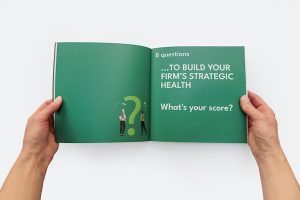

In a world of constant change, uncertainty, and increasing client expectations, one thing separates ambitious firms from the rest: strategic health.
In our book, Your Firm’s Future, we share a practical framework built around 8 essential questions that will help you assess and build your firm's strategic health.
Why does strategic health matter so much? Because when your firm is strategically healthy, it benefits your team, your clients, in fact, everyone connected with your firm.
Strategic health isn’t just an internal metric. It delivers a better outcome for everyone connected to your firm.
Click the button below to take the strategic health of your firm seriously by completing our Strategic Health Diagnostic
or
click the button below that to buy the book.